

Heat Exhaustion First Aid: What to Do in the First Minute
- Wesley Coldwell
- 9 hours ago
- 7 min read


Move the person out of the heat, cool them down fast, and get fluids in if they’re alert enough to drink. That’s the whole playbook for the first five minutes of heat exhaustion first aid, and it works in the vast majority of cases if you act before symptoms escalate.
Get to shade, air conditioning, or any cooler spot immediately
Strip off heavy or tight clothing and start cooling the skin with wet cloths, misting, or a fan
If they’re conscious and can swallow safely, offer small sips of cool water or an electrolyte drink
Watch closely. Most people improve within about half an hour to an hour
Call 911 if they faint, seize, get confused, or can’t keep fluids down
Key Takeaways
Heat exhaustion first aid succeeds when you move the person to a cool space, cool their skin actively, and rehydrate them only if they’re alert enough to swallow safely.
Point | Details |
Cool and hydrate fast | Move to shade, apply wet cloths or misting, and offer small sips of cool water if alert. |
Watch the temperature range | Heat exhaustion typically stays under 104°F, while heatstroke often exceeds it with confusion. |
Know the emergency signs | Call 911 for fainting, seizures, confusion, or inability to keep fluids down. |
Expect a 30 to 60 minute window | Improvement should show within an hour; worsening symptoms mean escalate immediately. |
Monitor through the day | Relapse can occur even after apparent recovery, so keep watching for hours afterward. |
Table of Contents
Heat Exhaustion Symptoms: What to Look For Before It Gets Worse
Heat exhaustion rarely announces itself with drama. It creeps in through a combination of signs that people often mistake for ordinary tiredness or dehydration on a hot day.
Look for heavy sweating paired with cool, clammy skin, which sounds contradictory but is the hallmark sign. Add in dizziness, a pounding headache, nausea or vomiting, muscle cramps, a rapid but weak pulse, and noticeably less urine output than usual.
Core body temperature in heat exhaustion generally runs 101°F to 104°F, while heatstroke typically pushes past that range and comes with mental confusion. The overlap makes self-diagnosis tricky, especially mid-hike or mid-workout when everyone’s already flushed and sweaty from exertion. High humidity makes things worse even when the thermometer doesn’t look extreme, because sweat can’t evaporate off the skin fast enough to cool the body down.
Step-by-Step Immediate First Aid for Heat Exhaustion
Once you’ve spotted the symptoms, speed matters more than precision. Here’s the order that actually works, drawn straight from how Mayo Clinic and other emergency guidance frame heat exhaustion treatment.
Get out of the heat. Move to shade, an air-conditioned building, or even the inside of a car with the AC running. If they’re dizzy or lightheaded, have them lie down and raise their legs slightly to help blood flow back to the brain.
Strip and cool. Remove any tight or heavy clothing. Apply cool, wet cloths to the neck, armpits, and groin, where blood vessels sit close to the skin. A fan speeds up evaporation and cooling.
Rehydrate carefully. If the person is fully alert and can swallow without trouble, give small sips of cool water or an electrolyte drink. Skip caffeine and alcohol entirely. Both interfere with the body’s ability to regulate fluid and temperature.
Watch and wait. Keep an eye on breathing and alertness. Improvement usually shows up within about half an hour to an hour of consistent cooling and fluids.
Stop and escalate if things go sideways. If they start vomiting, can’t keep water down, or symptoms get worse instead of better, stop giving fluids by mouth and get medical help.
Pro Tip: Don’t wait for someone to say they feel sick before acting. In group settings like trail runs or youth sports, the person struggling the most is often the last one to admit it. If you notice someone falling behind, going quiet, or stumbling, treat it as heat exhaustion until proven otherwise.
When Heat Exhaustion Turns Into a 911 Emergency
Heat exhaustion and heatstroke aren’t two points on the same mild scale. Heatstroke means the body’s cooling system has failed outright, and it requires urgent medical care, not home treatment.
Call 911 immediately if you see:
Fainting or loss of consciousness
A seizure
Confusion, slurred speech, or unusual agitation
Inability to drink or keep fluids down
Persistent vomiting
A rectal temperature of 104°F or higher
A core temperature reading taken rectally is the most reliable way field responders distinguish exhaustion from stroke, since oral and forehead readings often run inaccurate on someone who’s overheated and sweating heavily. While waiting for EMS, keep cooling the skin, but stop giving anything by mouth. Someone confused or losing consciousness can’t swallow safely, and attempting to hydrate them risks choking.
Practical Cooling Techniques and When Each One Works
Not every cooling method fits every situation. Wet-sponging the skin and misting combined with fanning are the workhorses for standard heat exhaustion, especially applied to the neck, wrists, and armpits where cooling hits fastest.

Cold packs work well too, but wrap them in a thin cloth first. Skin can react badly to direct ice contact. Fans have a catch: when the ambient air temperature climbs above skin temperature, a fan just pushes hot air around and does little good. Misting or wetting the skin matters more in those conditions than airflow alone. Full ice-water immersion is a heatstroke intervention used in clinical and sports medicine settings, not something to attempt for standard heat exhaustion in the field.
Pro Tip: A spray bottle and a wet bandana around the neck can substitute for a cooler and ice packs on the trail. Rig a tarp or emergency blanket for instant shade if you’re caught somewhere with zero natural cover.
Prevention and Risk Factors to Watch For
Preventing heat exhaustion beats treating it every time, and most of the work happens before you ever feel symptoms.
Pace and hydrate proactively. Drink water steadily throughout activity rather than chugging when you’re already thirsty.
Acclimate gradually. Give your body 7 to 14 days of gradually increasing heat exposure before pushing into intense activity, especially early in summer.
Schedule around peak heat. Shift strenuous plans to early morning or evening, and choose lightweight, breathable clothing.
Watch high-risk groups closely. Older adults, infants, athletes, and anyone on diuretics or SSRIs face elevated risk, as do people who are ill or intoxicated.
Check the heat index, not just the thermometer. Humidity combined with temperature drives real risk far more than a raw temperature reading does.
Solid hiking prep and sun protection planning handle most of this before you ever hit the trail.
Monitoring and Aftercare After Someone Seems Better
Feeling better isn’t the same as being in the clear. Keep an eye on the person for the rest of the day, since relapse can happen even after apparent recovery.
Watch for returning dizziness, renewed vomiting, or noticeably low urine output
Seek clinical evaluation if symptoms last beyond about half an hour to an hour despite proper cooling and fluids
Get checked out if the person has underlying heart or kidney issues, since those complicate recovery
Hold off on strenuous activity for the rest of the day and ease back in gradually, prioritizing rest and steady rehydration over pushing through
Field-Tested Tips for Treating Heat Exhaustion Outdoors
A basic kit changes outcomes more than instinct does. Pack a spray bottle, electrolyte packets, a lightweight cooling towel, a small sunshade tarp, and a couple of zip-top bags you can fill with ice or snow for improvised cold packs. Check the camping first aid essentials list for what else belongs alongside it.
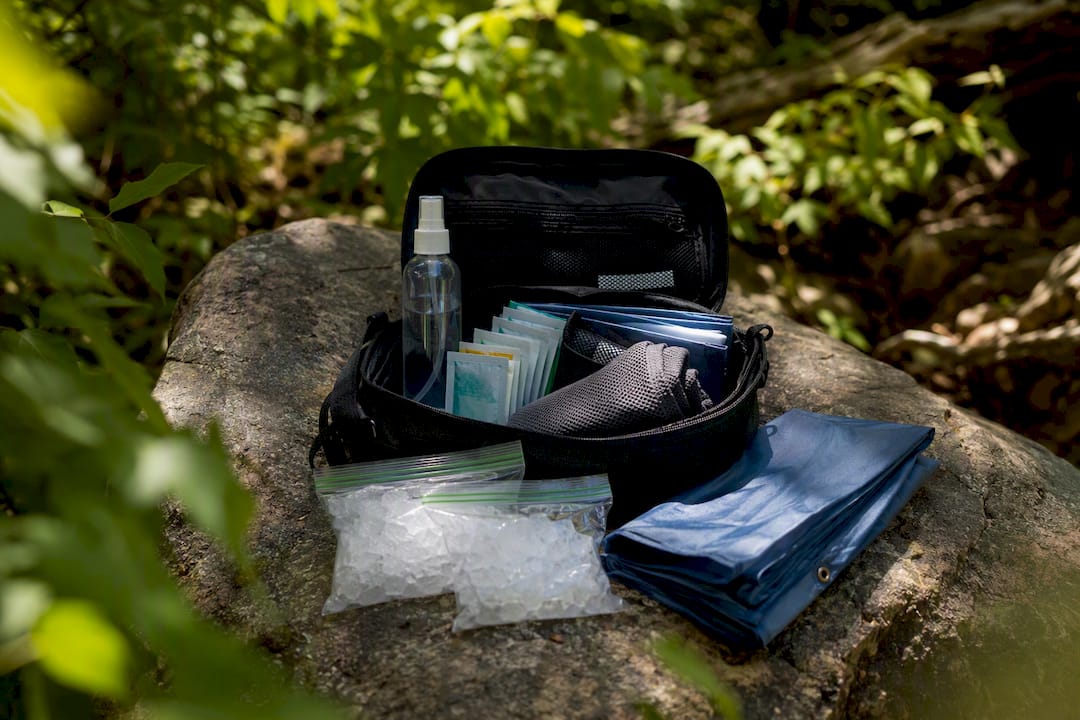
At organized events, triage fast: can they walk out on their own, or does someone need to carry gear and slow the group’s pace? If confusion or vomiting shows up, stop debating and start evacuating. Note the time symptoms began and what you did. That timeline matters if EMS gets involved later.
Point | Details |
Pack | Carry a spray bottle, electrolyte packets, and a cooling towel on any hot-weather trip. |
Triage fast | Decide within minutes whether someone can self-evacuate or needs help moving. |
Log the timeline | Note when symptoms started, since that detail helps responders if the case escalates. |
An Editorial Take on What Actually Matters Here
Most heat exhaustion advice fixates on the checklist and skips the judgment call that actually saves someone: recognizing the moment to stop treating and start evacuating. The medical guidance is consistent across every major source, and it works. Where things fall apart in real conditions is timing. People wait too long to act because early symptoms look like ordinary tiredness, and by the time confusion sets in, you’re no longer dealing with something you fix with a wet cloth and a water bottle.
If there’s one thing worth prioritizing over everything else in this guide, it’s this: treat the 30 to 60 minute recovery window as a hard deadline, not a suggestion. If someone isn’t clearly improving by then, that’s your signal to stop waiting and get real medical help involved. The conventional wisdom undersells how fast heat exhaustion can tip into something dangerous, and it oversells how much you can manage alone with good intentions and a spray bottle.
This article is general information, not a substitute for advice from a qualified doctor. Consult a qualified healthcare professional about your own circumstances before acting on anything here.
Sources
Recommended
Comments