

Habitat First Poison Sumac Identification for U.S. Hikers
- Wesley Coldwell
- 12 minutes ago
- 6 min read

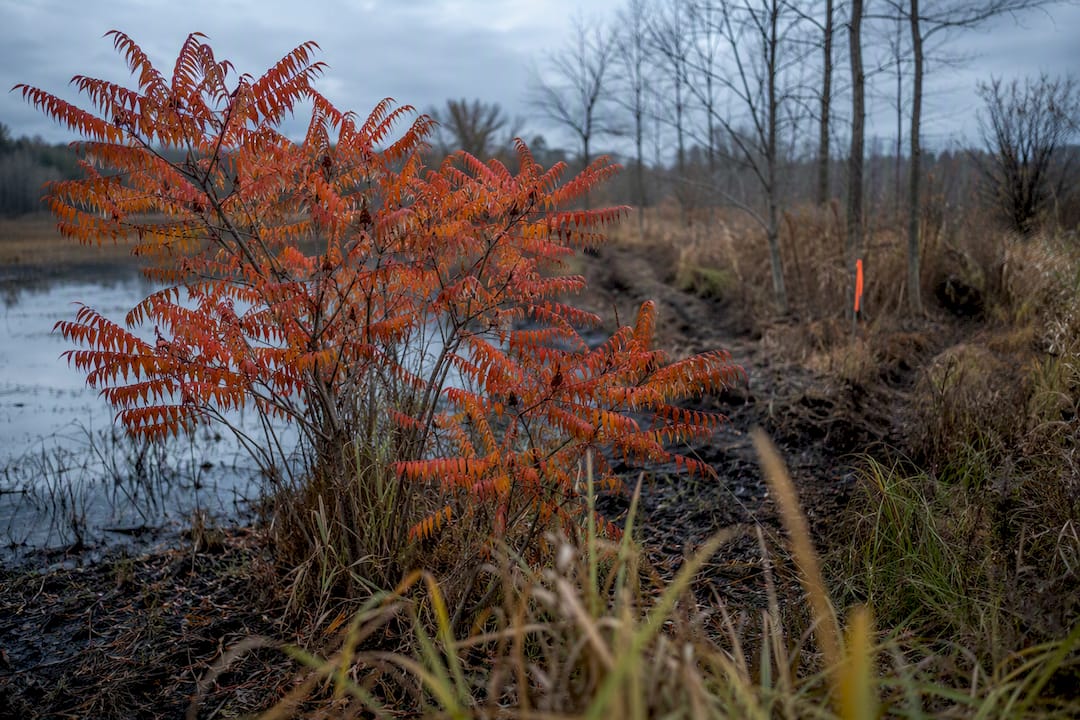
If a woody shrub with 7 to 13 smooth-edged leaflets, reddish stems, and loose clusters of drooping ivory berries is growing in a swamp or bog, treat it as Toxicodendron vernix, better known as poison sumac. It carries urushiol, the same skin-blistering oil found in poison ivy and poison oak, and it’s often considered the most allergenic of the three. Don’t touch it, and never burn it.
TL;DR:
Poison sumac has 7 to 13 smooth-edged leaflets arranged in pairs with a single terminal leaflet, and it always grows in wet, swampy habitats.
Avoid confusion with harmless sumacs and ash trees by checking habitat, leaflet arrangement, and whether the leaflets are toothed, or grow in opposite pairs.
Immediate washing with cool, soapy water or alcohol-based wipes within minutes of contact significantly reduces the risk of a dermatitis reaction.
Never burn poison sumac, as the smoke can carry urushiol into the lungs, causing severe respiratory inflammation far worse than skin rash.
Treat any dead, leafless shrub in wet areas as potentially active, and seek medical help if symptoms worsen or breathing difficulties occur after exposure.
Table of Contents
Poison Sumac Identification: What to Look for in the Field
Getting a confident field ID down to leaves, stems, and fruit takes about thirty seconds once you know what you’re checking. Poison sumac leaves grow in an odd-pinnate pattern, meaning each stem carries paired leaflets running up both sides plus one leaflet capping the tip. That count matters more than almost any other trait.
Leaflet count: 7 to 13 leaflets per leaf, arranged in pairs with a single terminal leaflet, according to the University of Florida’s IFAS Extension.
Leaflet shape: Elongated, oval, and smooth along the edges, with no teeth or serrations.
Leaf surface: Glossy dark green on top, noticeably paler and duller underneath.
Stems and petioles: Reddish or pinkish, a color cue that holds even when the leaves have dropped.
Fruit: Loose, hanging clusters of ivory or gray berries, sometimes stretching 10 to 12 inches long, and they persist well into winter.
Growth habit: A woody shrub or small tree, typically reaching several feet tall, with smooth grayish bark.
Poison sumac fact check: The berries hang downward in loose, open clusters, and that single detail survives every season, even bare winter branches when every leaf is gone.
Color shifts with the calendar. Spring growth comes in with a reddish tint before greening up. Summer leaves turn deep glossy green with the red stems still visible if you look closely. By fall, poison sumac often puts on a striking show of orange and red foliage, which ironically makes it easier to spot from a distance and easier to mistake for something ornamental.
Poison Sumac vs. Regular Sumac and Other Lookalikes
Confusing poison sumac with its harmless cousins happens constantly, mostly because people fixate on the word “sumac” and skip the details that actually separate them.
Staghorn and smooth sumac. These common roadside shrubs grow upright, fuzzy, cone-shaped clusters of red berries pointing skyward, not drooping. Their leaflets also have toothed margins, unlike the smooth-edged leaflets on poison sumac. They favor dry, sunny fields and highway edges, the opposite of poison sumac’s wet habitat.
Ash trees. Young ash saplings can look similar at a glance, but ash leaflets grow in opposite pairs directly across from each other on the stem. Poison sumac leaflets alternate. Run your finger up one stem; if the leaflets line up like mirror images, it’s ash.
Poison ivy and poison oak. Both grow the famous “leaves of three,” a compound leaf with just three leaflets. Poison sumac never has three; it always has seven or more, which makes this one of the fastest lookalike checks available.
Pro Tip: When leaves are missing entirely, let the berries do the talking. Drooping, pale clusters mean sumac to worry about. Upright, red, and cone-shaped means the harmless kind.
Where Poison Sumac Grows and Why Habitat Beats Guesswork
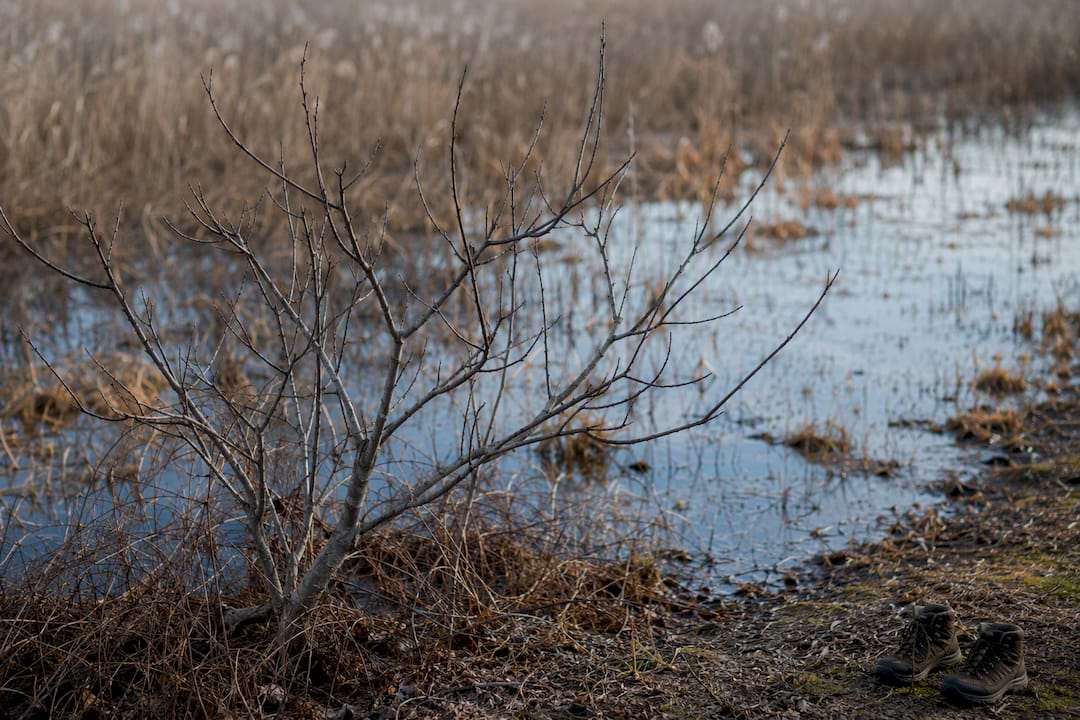
Poison sumac sticks to standing water. It grows in swamps, bogs, river margins, and other flooded, acidic soils, according to the New York State Department of Environmental Conservation. That single habitat detail does more identification work than most people realize.
Dry uplands, roadside ditches, and sunny fields almost never host it. If the ground under your boots is dry and well drained, you’re very likely looking at a non-poisonous sumac species instead.
Wetland edges and swamp margins across the eastern and southeastern United States are the places to slow down and check leaflets carefully.
Because its berry clusters persist into winter, poison sumac stays identifiable in wet-woods habitat long after the leaves have dropped.
What to Do Immediately After Contact With Poison Sumac
Speed matters more than technique here. Urushiol starts binding to skin within minutes, so the faster you act, the better your odds of avoiding a rash altogether.
Wash exposed skin with cool, soapy water as soon as possible. The American Academy of Dermatology specifically warns against warm water, since heat can open pores and help urushiol spread rather than rinse away.
If soap and water aren’t available, rubbing exposed skin with isopropyl alcohol or a dedicated poison-plant wash works as a solid backup.
Launder clothing, boots, and gear in detergent, and rinse tools and pet fur too. Urushiol clings to fabric and fur long after contact, and it can re-expose you days later if you skip this step.
If blisters form, leave them alone. The fluid inside isn’t contagious, and popping them only raises infection risk without speeding healing.
Statistic to remember: urushiol is the identical allergen across poison ivy, poison oak, and poison sumac, so the same allergic dermatitis shows up regardless of which plant caused it. Severity comes down to individual sensitivity, not which species you brushed against.
Preventing Exposure and the Danger of Burning Poison Sumac
Most poison sumac encounters are preventable with basic gear discipline. Long sleeves, long pants, and closed boots cut direct skin contact dramatically, and barrier gloves matter just as much when you’re clearing brush or handling gear that might have touched the plant.
Wear long sleeves, pants tucked into boots, and disposable or washable gloves in wetland brush.
Keep a separate bag for contaminated clothing so urushiol doesn’t transfer to your pack or vehicle interior.
Wipe down tools, walking sticks, and pet leashes after any hike through swampy terrain.
Never burn poison sumac. Urushiol stays active on dead and dried plant material, and smoke from burning it can carry the oil into your lungs, causing severe respiratory inflammation that’s far more dangerous than a skin rash. If a stand of poison sumac needs clearing from a property, cutting and bagging the plant for disposal beats burning every time, and dense infestations are often worth handing to a professional removal service rather than tackling solo.
Pro Tip: Treat any dead, gray, leafless sumac-looking shrub in a wet area with the same caution as a leafed-out one. Dormant plants still carry active oil.
When a Poison Sumac Rash Needs Medical Attention
Most reactions clear up with home care, but a few signs mean it’s time to call for help. Difficulty breathing, throat swelling, or chest tightness after possible smoke inhalation is a medical emergency; don’t wait it out. See a clinician if the rash covers your face, genitals, or a large portion of your body, or if you notice pus, spreading redness, fever, or no improvement after a week of over-the-counter care.
Backed by Field-Tested Outdoor Safety Guidance
Thrill of It author S covers poisonous plant identification and wilderness safety across the site, including guides on identifying poisonous plants in the wild and poison ivy field ID and first aid. Pair this guide with a well-stocked camping first aid kit for wetland trips.
Why Habitat, Not Leaf-Counting Alone, Should Come First
Most identification advice leads with leaflet counts, and that’s backwards for anyone actually standing in the woods. Leaflets take time to inspect closely, and nervous hikers often get the count wrong under pressure. Habitat is faster and harder to fake: poison sumac needs standing water or saturated acidic soil, full stop. If you’re on dry ground, you can rule it out before you even touch a leaf.
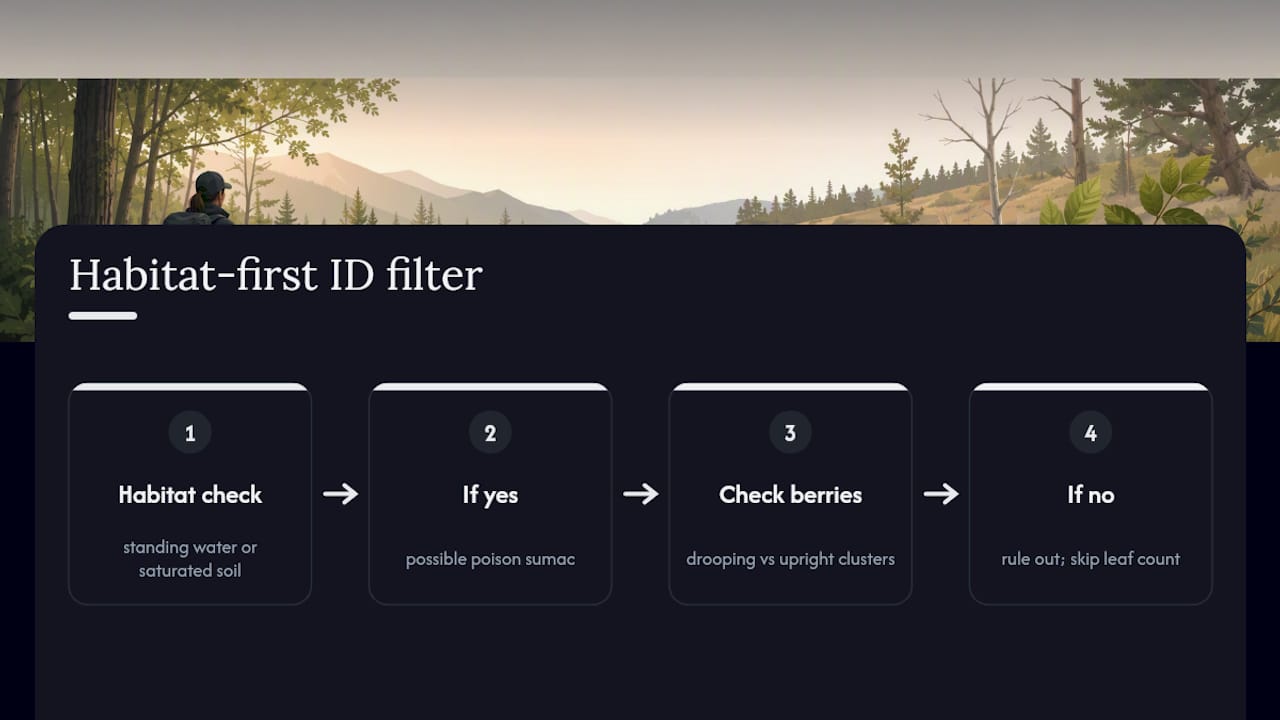
The berry orientation deserves more attention too. Drooping clusters versus upright cone-shaped ones is a distinction almost anyone can make from ten feet away, in any season, on a plant with or without leaves. That’s the kind of clue that actually holds up when you’re tired, moving fast, or dealing with kids on a trail who won’t stand still while you count leaflets.
On first aid, the advice that gets skipped most often isn’t the washing step, it’s the warning about warm water. People assume hot water cleans better. With urushiol, it does the opposite. And the burning warning deserves louder repetition than it usually gets, because smoke inhalation turns a skin problem into a lung emergency.
— S
This article is general information, not a substitute for advice from a qualified doctor. Consult a qualified healthcare professional about your own circumstances before acting on anything here.
Sources
Recommended
Comments