

Hikers: Field Tested Quicksand Escape Steps for Tides and Cold

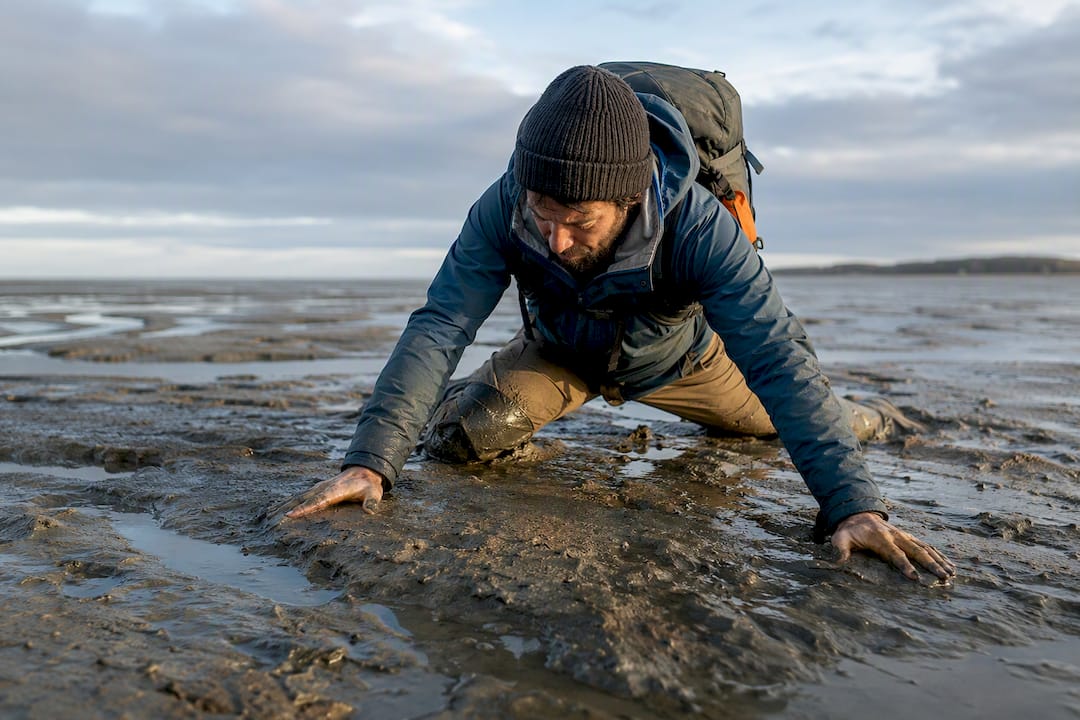
Stay still for a second, control your breathing, then slowly wiggle your legs to loosen the sand around them, allowing water to enter and reduce suction, lean back to spread your weight across the surface, and breaststroke or crawl toward solid ground. That sequence works because of physics, not luck, and panicked thrashing is the one thing that makes quicksand escape harder instead of easier.
TL;DR:
Struggling quickly or yanking on a trapped limb can increase suction and make extraction more difficult, often requiring forces comparable to lifting a small car.
Wiggling legs slowly and spreading your weight by leaning back helps break the water suction and distributes pressure, facilitating a safer escape.
Quicksand limits are usually waist or chest depth due to buoyancy, with shallow sinking but no risk of vanishing into a bottomless pit.
Avoid attempting rescue by pulling on arms or approaching the soft patch directly, instead use anchored ropes and pole techniques to minimize injury risk.
Recognizing areas like wetlands, tidal flats, or dark, damp patches ahead of time and carrying probing gear can prevent getting trapped in the first place.
Table of Contents
What Actually Makes Quicksand Escape Possible
Quicksand is ordinary sand or clay that’s oversaturated with water until it loses its normal grip between grains. Under pressure from your foot or body weight, it turns from something solid enough to stand on into a liquefied slurry, a property scientists call shear-thinning behavior. The faster or harder you push against it, the more it acts like a fluid instead of a solid surface.
Here’s the part most people get wrong: you will not vanish into a bottomless pit because quicksand has limited depth. Quicksand runs roughly twice as dense as the human body, so buoyancy alone typically stops you from sinking past your waist or chest, according to National Geographic’s breakdown of quicksand science. The real danger sits elsewhere.
Struggling fast increases suction and can pull you deeper rather than free you.
Clay-rich or salty quicksand can re-solidify into a dense layer around a trapped limb after agitation, making a straight pull nearly impossible.
The greatest threats are almost always secondary: rising tides, hypothermia, dehydration, and plain exhaustion from fighting the sand for too long.
Quicksand fact: Lab researchers estimate that yanking a foot out of liquefied clay-rich sand at a steady pace can demand forces on the order of 100,000 newtons, roughly what it takes to lift a small car. That single number explains why brute-force pulling almost never works and slow, deliberate movement almost always does.
How Do You Get Out of Quicksand Step by Step?
The moment your boot sinks past the ankle, resist the instinct to yank it back. That instinct is exactly what turns a manageable situation into a dangerous one.
Stop moving and assess. Freeze for a few seconds. Call out if anyone is nearby, and note which direction leads to firmer, drier ground.
Shed weight if you can do it without overbalancing. A heavy pack pulls you down; if it’s safe to slip off one strap and hold the bag rather than wear it, do that first.
Wiggle each leg slowly. Small side-to-side or back-and-forth motions, not kicks, let water seep into the space around your leg. That water flow is what breaks the suction holding you in place, a mechanism confirmed by researchers studying the physics behind quicksand entrapment.
Lean back and spread your arms. Flattening your body across the surface distributes your weight the way a raft distributes weight over water. This is the floatation moment that gets one leg loose enough to bend.
Work one leg free, then the other. As each leg loosens, draw it toward your chest slowly rather than kicking it upward.
Crawl or breaststroke toward solid ground. Once your legs are free, move on your back or stomach, distributing weight across the surface the entire way, until you reach dry or firm terrain.
Pro Tip: Practice the lean-back float in a swimming pool before your next backcountry trip. Learning to trust your body’s natural buoyancy on dry land removes hesitation later, when the ground under you is actually giving way.
If you’re not alone, a partner can help without becoming a second casualty. The rescuer should stay on solid ground, lie flat if the quicksand’s edge is unstable, and extend a trekking pole, branch, or rope rather than walking in close enough to grab a hand. Anchor the rope to a tree, rock, or a second person braced well behind the rescuer, then let the trapped hiker pull themselves along it while still doing the leg-wiggle motion. Survival guides built around field demonstrations, including Bear Grylls’ recommended quicksand rescue method, consistently stress this anchored approach over a direct grab.
A few things never to do:
Never pull hard on a trapped person’s arms or a rope with a sudden jerk. It risks dislocating a shoulder and rarely frees stuck legs anyway.
Never let a would-be rescuer step onto the same soft patch to get closer.
Never assume raw strength solves this. The physics doesn’t care how strong you are; it cares whether water can flow into the space around the trapped limb.
How Can You Avoid Getting Stuck in the First Place?
Quicksand tends to show up in predictable places: river bends, tidal flats, marsh edges, spring-fed low ground, and areas downstream of recent flooding. Watch for patches that look slightly darker or wetter than the surrounding ground, small bubbles rising through standing water, or a crust that looks solid but flexes when you tap it with a pole. A 2025 study on dynamic seepage and quicksand initiation found that particle size and underground water pressure both determine whether a given patch of sand can liquefy at all, which is why some riverbanks are perfectly safe while others nearby are not.
Route planning does most of the prevention work before you ever get close to danger.
Stick to marked trails through wetlands, deltas, and coastal zones where quicksand risk is documented.
Check tide charts before hiking any beach or estuary route, since incoming water changes soft ground within minutes.
Travel with a partner whenever the route crosses river mud, flats, or marsh, and agree on rescue roles beforehand.
Carry a trekking pole or long stick to probe suspicious ground ahead of each step, plus a charged phone with location-sharing turned on.
Pack a lightweight rope and a couple of carabiners; they weigh almost nothing and turn a bystander into a functional rescue anchor.
Rehearsing the anchor-and-pole technique with a hiking partner before you actually need it, the same way you’d practice a river crossing, turns a stressful improvisation into muscle memory. Thrillofit’s wilderness self-rescue guide covers drills worth practicing alongside this one, and a broader look at essential hiking gear will tell you what else belongs in your pack before any trip near wetlands or coastline.
When Should You Stop Trying to Self-Rescue?
Self-rescue works for most wet quicksand encounters, but a few conditions change the math fast. Rising tides are the biggest one: water that was ankle-deep when you got stuck can reach your chest within twenty or thirty minutes on some coastal flats, and the real danger in most quicksand incidents is drowning from incoming water, not the sand itself.
If the tide is coming in and you can’t free a leg within a few minutes, call for help immediately rather than continuing to work alone.
Cold water speeds up hypothermia; if you’re wet and stuck for more than 20 to 30 minutes in cool conditions, treat it as an emergency.
Dry, granular entrapment (loose sand or grain silos, not wet sediment) behaves differently and usually requires mechanical extraction rather than the wiggle-and-float method.
When calling for help, give your exact location, the ground type, water conditions, and whether the tide is rising, since rescuers prioritize calls involving incoming water.
A phone with GPS location-sharing turned on before the trip saves precious minutes, and it costs nothing to set up the night before you leave.
A Field-Tested Take on Quicksand Panic
The instinct to fight quicksand is the same instinct that makes riptides and avalanches dangerous: your body wants to escalate force when what the situation actually needs is patience. Slow leg movements feel wrong when you’re sinking, which is exactly why so many people default to kicking and pulling instead.
Thrillofit builds its survival content around this pattern because it shows up everywhere in wilderness emergencies, not just quicksand. The fix isn’t more strength. It’s rehearsal, calm sequencing, and gear you’ve already practiced with, so the correct response is the automatic one when adrenaline takes over.
— S
Read More Quicksand Escape and Survival Guides From Thrillofit
Quicksand is one hazard among dozens you’ll meet on backcountry trails, coastal flats, and river routes, and the same principle applies to all of them: know the terrain before you’re standing on it. Some survival and prep guides walk through exactly that kind of preparation.

If your next trip runs through wetlands or tidal ground, pair this guide with Thrillofit’s wilderness self-rescue techniques for a deeper look at anchoring, signaling, and staying calm when a route turns risky. Heading somewhere hotter and drier instead? Desert survival basics covers the hydration and heat-exposure risks that show up on the flip side of wet terrain. And before you pack for any trip near marsh, riverbank, or coastline, browse Thrillofit’s gear picks for trekking poles, rope, and lightweight rescue tools worth throwing in your bag. Start with the Thrillofit homepage to see the full library of survival and prep guides built for exactly this kind of trip.
Sources
FAQ
How Deep Can You Actually Sink in Quicksand?
Most people sink only to the waist or chest because human density is lower than quicksand’s, giving your body natural buoyancy that stops a full submersion in wet quicksand.
Is It True That Quicksand Can Suck You Under Completely?
No. That’s one of the most persistent quicksand myths debunked by physics research; the real danger comes from rising tides, cold exposure, and exhaustion while you’re stuck, not from being pulled underground.
What’s the Biggest Mistake People Make During a Quicksand Escape?
Thrashing or yanking a trapped leg, since fast movement makes the sediment more fluid and can increase suction instead of loosening it.
Can One Person Safely Help Rescue Someone Stuck in Quicksand?
Yes, if the rescuer stays anchored on solid ground and extends a pole or rope rather than approaching directly, which avoids becoming a second person stuck in the same patch.
What Gear Should You Carry to Prevent Quicksand Accidents?
A trekking pole for probing soft ground, a charged phone with location-sharing enabled, and a lightweight rope with a carabiner cover most quicksand safety precautions for trail and coastal hikes.
Recommended
Comments