

Leave No Trace: The 7 Principles Explained

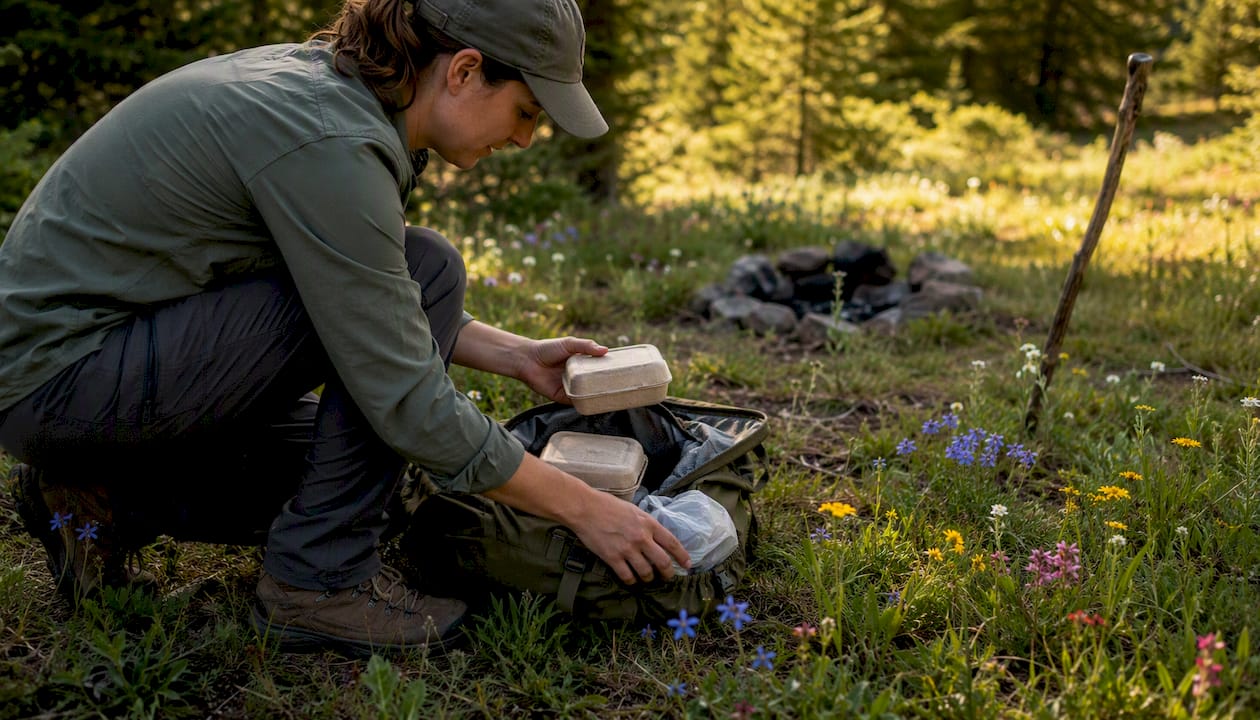
Leave No Trace is an outdoor ethic built on one idea: when you visit natural spaces, you leave them exactly as you found them. The Leave No Trace Center for Outdoor Ethics organizes this ethic into seven principles that apply everywhere from a city park to a remote backcountry ridge. The U.S. National Park Service formally endorses all seven, and the framework is grounded in decades of recreation ecology research developed with the USFS, NPS, and BLM beginning in the mid-1980s.
The seven principles are:
Plan Ahead and Prepare
Travel and Camp on Durable Surfaces
Dispose of Waste Properly
Leave What You Find
Minimize Campfire Impacts
Respect Wildlife
Be Considerate of Others
Master these and you can spend a full weekend in the backcountry, or an afternoon at a neighborhood trail, without leaving a mark. The Leave No Trace Center reports that 9 out of 10 people need better LNT skills, which means most of us have room to improve, no matter how many trips we’ve logged.
Key Takeaways
Leave No Trace is a seven-principle outdoor ethic grounded in recreation ecology that applies to every outdoor setting, from a city park to a remote wilderness, and its power lies in cumulative small actions repeated by every visitor.
Point | Details |
Seven principles cover everything | From trip planning to campfire management, each principle targets a specific category of impact. |
Frontcountry counts too | High-use parks and neighborhood trails suffer cumulative damage as fast as wilderness areas. |
Human waste rules are specific | Dig catholes 200 feet from water, or use WAG bags in high-use and alpine zones. |
Stove over fire, by default | A camp stove eliminates most campfire impact and is safer in fire-prone conditions. |
Practice, not perfection | Building three automatic habits (pack-out bag, repackaged food, stove-first) covers most of your impact. |
Table of Contents
What are the Leave No Trace principles, and how do you apply them?
The seven principles from LNT.org are the standard framework used nationwide. Here’s what each one means in practice.
Principle | Practical actions |
Plan Ahead and Prepare | Research regulations, pack maps, repackage food to cut waste |
Travel and Camp on Durable Surfaces | Stick to established trails, camp on rock or gravel, avoid wet soil |
Dispose of Waste Properly | Pack out all trash, dig catholes 200 feet from water, use WAG bags where required |
Leave What You Find | Photograph rocks and flowers; take nothing home |
Minimize Campfire Impacts | Use a camp stove, keep fires small in established rings, drown coals completely |
Respect Wildlife | Stay 100 yards from bears, never feed animals, store food in bear canisters |
Be Considerate of Others | Yield to uphill hikers, keep noise low, camp out of sight of the trail |
Plan ahead and prepare
Preparation is the first principle because most impact happens before you leave the trailhead. Knowing the rules for your specific area means you won’t accidentally camp in a protected zone or build a fire during a burn ban. Check the land manager’s website, download offline maps, and repackage snacks into reusable containers at home so you’re not peeling wrappers on the trail.
For beginner hikers, this step also means knowing your physical limits and building a trip plan someone at home can follow.
Travel and camp on durable surfaces
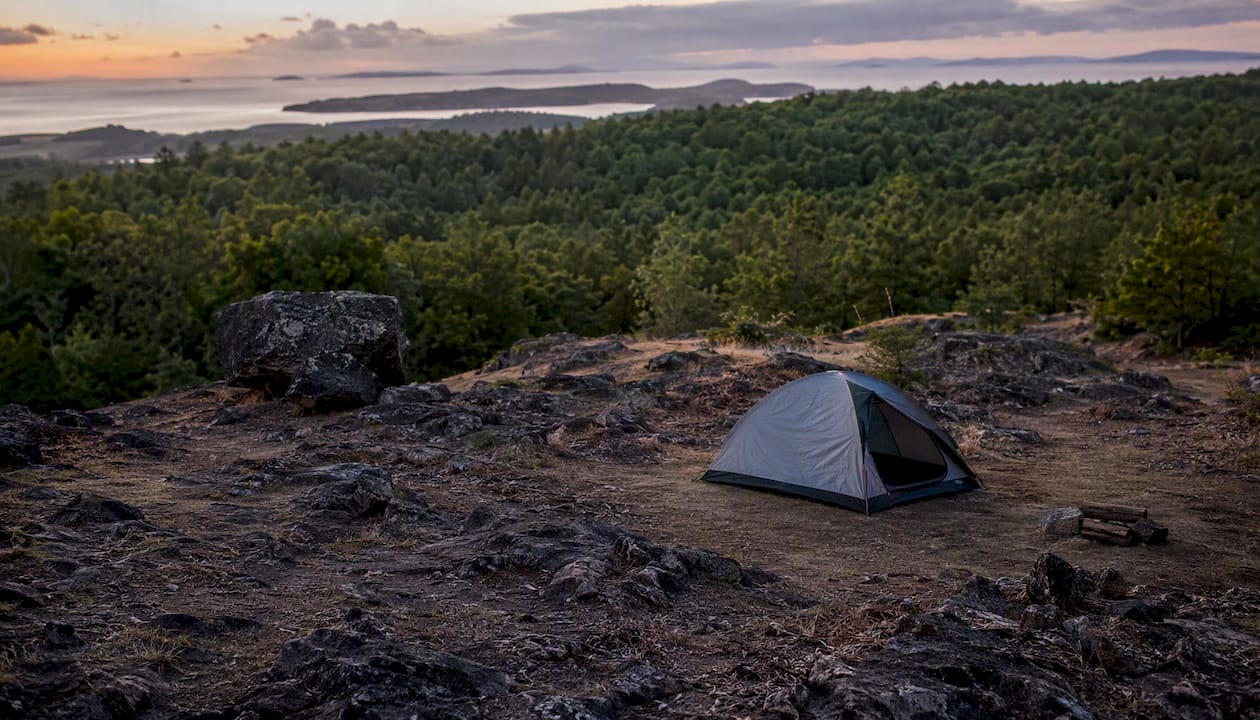
Soil and vegetation take years to recover from repeated foot traffic. Walk single-file on established trails, and when you’re off-trail, spread out across rock, gravel, or dry grass so no single path gets worn into a rut. For camping, choose sites that are already impacted rather than flattening new ground.
Dispose of waste properly
This principle covers everything from a granola bar wrapper to human waste. Pack out every piece of trash, including food scraps, because even an apple core can introduce non-native seeds and attract wildlife. For human waste in the backcountry, dig a cathole 6–8 inches deep and at least 200 feet from any water source, trail, or campsite. In high-use areas or places with thin soil (alpine zones, canyon country), pack-out systems like WAG bags are often required. Toilet paper goes in the bag too. Check local regulations, because the rules vary by park and ecosystem.
Pro Tip: Repackage all your food at home and toss the outer packaging before you leave. You’ll carry less weight and eliminate most of your micro-trash problem before the trip starts.
Leave what you find
The rule is simple: look, photograph, don’t touch. Leave rocks, plants, fossils, and cultural artifacts exactly where they are. Moving even a single stone from a streambed can disrupt the habitat underneath it. If you want to document what you see, photographing your outdoor adventures is the right call.
Minimize campfire impacts
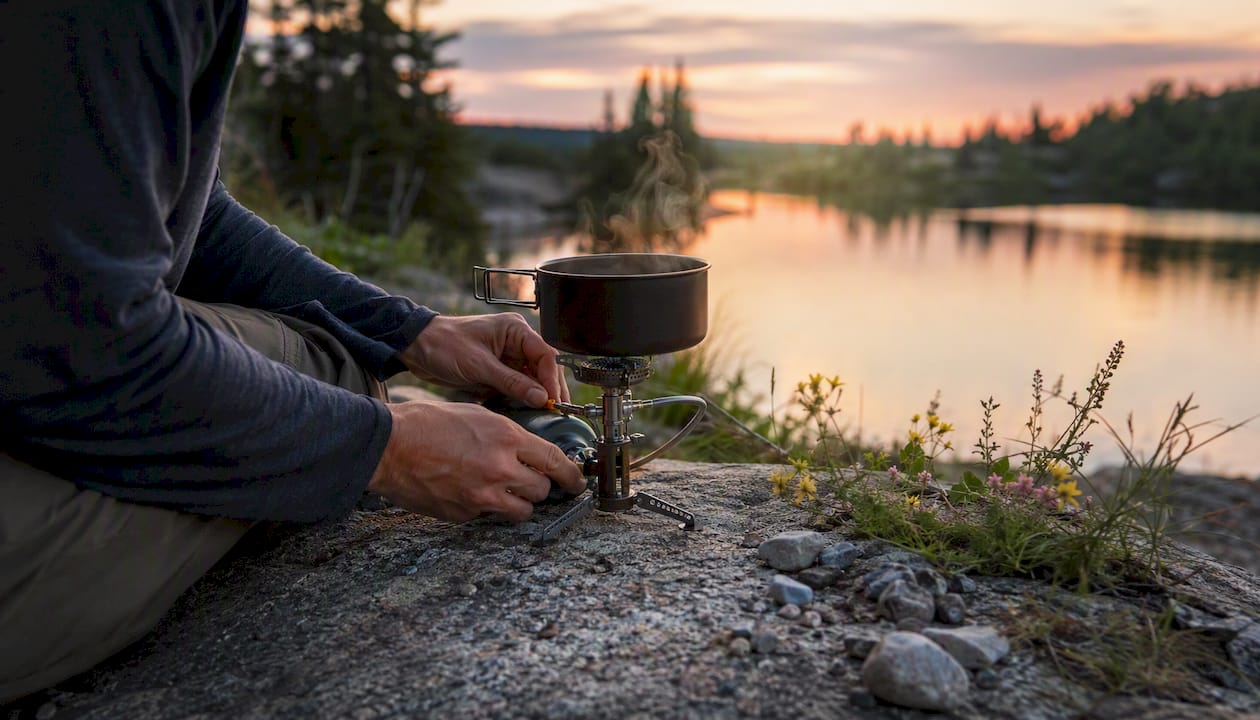
Campfires cause more lasting damage than most people realize: scorched soil, stripped bark from nearby trees used for firewood, and fire rings that multiply across a site. Use a lightweight backpacking stove for cooking. If you do build a fire, use an existing ring, keep it small, burn wood to ash, and drown it with water until the coals are cold to the touch. Never leave a fire unattended, and never build one during a fire ban.
Respect wildlife
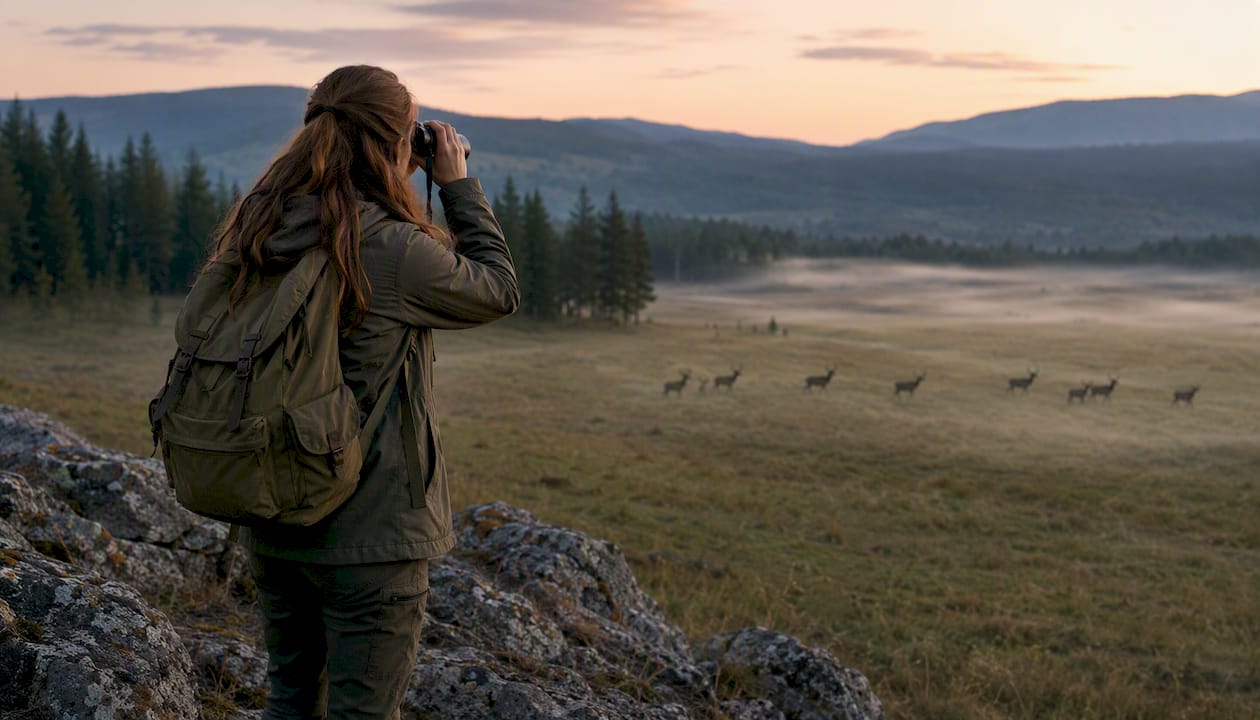
Feeding wildlife, even accidentally through a dropped crumb, conditions animals to associate humans with food. That usually ends badly for the animal. The U.S. Fish & Wildlife Service applies this principle across federal conservation lands to protect both habitat and individual animals. Store food in bear canisters or hang it properly, observe animals from a distance, and read Thrillofit’s wildlife encounter guidelines before heading into bear or mountain lion country.
Be considerate of others
Trail etiquette is LNT in social form. Yield to uphill hikers and to horses. Step off the trail to let groups pass. Keep music to yourself with earbuds. Camp far enough from other parties that neither group feels crowded. The goal is for everyone to feel like they have the place to themselves, even when the trailhead parking lot is full.
Does Leave No Trace only apply in the wilderness?
No, and this is the most common misconception. The NPS makes clear that LNT applies to frontcountry settings, including day-use parks, picnic areas, and neighborhood green spaces, just as much as it does to remote backcountry. High visitor volume in frontcountry areas can actually produce cumulative damage faster than in wilderness, because more people pass through the same spots every day.
The Leave No Trace Center puts it plainly: 9 out of 10 people need better LNT skills, and most of those people are visiting frontcountry parks, not remote wilderness. The World Economic Forum’s summary of the principles reinforces this, noting that LNT is relevant in small local parks and major wilderness areas alike.
How you apply the principles does shift by ecosystem:
Alpine zones: Vegetation is fragile and slow-growing; stay on rock wherever possible and pack out all waste.
Desert: Cryptobiotic soil crusts look like dirt but take decades to form; one footstep off-trail can destroy a century of growth.
Forests: Dispersed camping is often allowed, but wet soil compacts easily; choose dry, rocky sites.
Always check the specific park or land manager’s website for local rules. A ranger station call takes five minutes and can save you from an inadvertent violation.
Your before, during, and after Leave No Trace checklist
Use this list on any outing, from a two-hour day hike to a multi-night backpacking trip.
Before you go:
Research regulations, fire restrictions, and permit requirements for your destination.
Repackage all food into reusable containers; dispose of outer packaging at home.
Pack a small waste bag for trash and a trowel for catholes (or WAG bags if required).
Download offline maps and share your trip plan with someone at home.
On the trail and at camp:
Stay on established trails; step onto rock or gravel when you need to step aside.
Set up camp at least 200 feet from water sources, trails, and other campers.
Use a camp stove instead of building a fire whenever conditions allow.
Collect all trash, including food scraps and micro-trash like twist ties and foil bits.
When you leave:
Scatter any leftover gray water 200 feet from water sources.
Inspect your campsite for micro-trash before you pack up; check tent corners and fire rings.
Pro Tip: Wear tick-protective clothing from the trailhead onward. Checking yourself at the car, before you drive home, takes two minutes and catches most hitchhikers before they become a problem. Bug Away Gear’s hiking line is built for exactly this kind of prevention.
Where can you learn more and get official resources?
The best starting point is the Leave No Trace Center for Outdoor Ethics, which offers free reference cards, online courses, and a full educator curriculum for anyone who wants to teach the principles to others. A single trained person, the Center notes, typically reaches many others over a lifetime, which is why education sits at the core of the LNT mission.
The NPS seven-principles page gives the federal agency’s plain-language breakdown, including the science background and agency origins. Print it or save it to your phone before a trip.
Washington State Parks offers an accessible, everyday-language explainer that’s useful for sharing with friends or family who are new to the concept.
Other resources worth bookmarking:
LNT.org reference cards: Printable, pocket-sized summaries of each principle, organized by activity type.
NPS park-specific pages: Every national park page lists local regulations that layer on top of the seven principles.
FWS LNT guidance: Focused on wildlife and habitat protection on federal conservation lands.
Local ranger stations: The fastest way to get site-specific rules before a trip.
If you want to go deeper, the LNT Center offers Trainer courses that certify you to teach the principles in your community. Local REI stores and outdoor clubs often host free workshops as well.
Why the “perfect trip” framing gets Leave No Trace wrong
Most people treat Leave No Trace as a checklist to complete before they can feel good about a trip. That framing misses the point entirely. The real power of the ethic is cumulative: one person leaving a single food scrap barely registers, but multiply that by the thousands of visitors a popular trail sees in a season and you get a measurable ecological shift. Soil compaction, wildlife habituation, invasive plant spread, water contamination. None of it looks dramatic in the moment.
What actually works is building a few habits so automatic that you don’t have to think about them. Carry a small pack-out bag every time, no exceptions. Repackage food before every trip. Default to a stove. Those three habits alone cover the majority of the impact most recreational visitors create.
The LNT Center frames the goal as shifting people from compliance to lifelong stewardship, and that distinction matters in practice. Compliance means you follow the rules when someone is watching. Stewardship means you pick up someone else’s trash on the way out because the trail matters to you. The second mindset is what actually moves the needle on cumulative impact.
One habit to start today: put a small zip-lock bag in every pack you own, right now, before your next trip. It takes thirty seconds and removes the most common excuse for leaving trash behind.
Sources
Recommended
Comments