

What Is Multi-Use Camp Gear? A 2026 Guide

TL;DR:
Multi-use camp gear is designed to perform two or more effective functions while reducing pack weight and redundancy. It allows campers to carry fewer items that solve multiple problems, improving efficiency whether camping short-term or long-term. Selecting quality gear involves assessing function performance, material durability, modularity, and ease of use, with an emphasis on limiting to two or three strong functions per item.
Multi-use camp gear is defined as camping equipment engineered to perform at least two distinct, effective functions while reducing pack weight and redundancy. The industry term for this category is “multi-functional camping equipment,” and it sits at the center of modern packing philosophy. Knowing what is multi-use camp gear separates campers who carry smart loads from those who haul unnecessary duplicates. A quality tarp, for example, replaces multiple single-use items by serving as both shelter and groundsheet. That single swap cuts bulk, saves money, and keeps your pack manageable on any terrain.
What is multi-use camp gear and why does it matter?
Multi-use camp gear is equipment that performs two or more roles effectively without sacrificing meaningful performance in either. The key word is “effectively.” A bandana that works as a towel, pot holder, and dust mask counts. A flimsy gadget that claims to be a shovel, axe, saw, knife, and hammer but performs all of them poorly does not count.
The concept connects directly to intentional packing philosophy. Every item you carry should earn its spot by solving more than one problem. Campers who adopt this mindset carry less, move faster, and spend less time digging through gear to find what they need. That efficiency matters whether you are car camping for a weekend or backpacking for two weeks.
The 2026 standard for this category emphasizes modularity and durability over novelty. Gear that folds, nests, or detaches into separate components gives you flexibility without forcing you to carry extra weight. That design principle is what separates genuinely useful multi-purpose camping equipment from marketing gimmicks.
How do you evaluate and select quality multi-use camping gear?
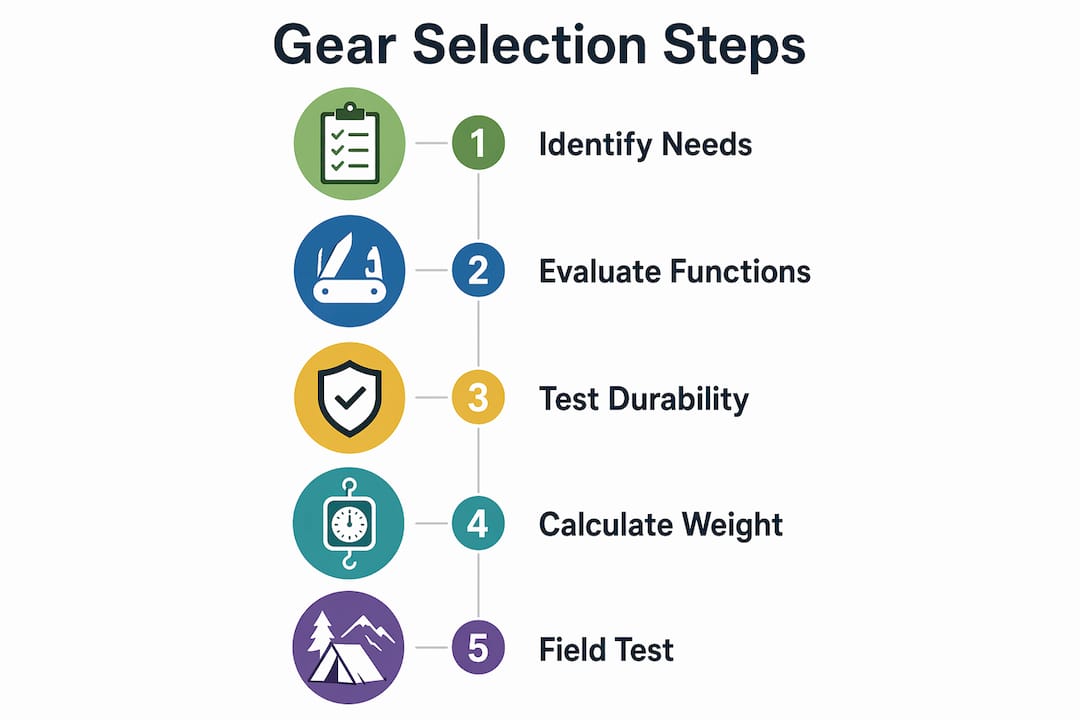
The right selection process starts with a functionality-first assessment. Quality multi-use gear must perform every claimed role at a level you would accept from a dedicated single-use item. If the secondary function is weak, the item fails the test.
Key criteria to check before buying
Function quality: Does each function work well on its own? Test both roles separately before trusting the item in the field.
Materials and durability: Look for aircraft-grade aluminum, ripstop nylon, or food-grade stainless steel depending on the item category. Cheap materials fail faster under real conditions.
Modularity: Can parts be used independently? A cook set that separates into a pot, lid, and bowl gives you three tools in one package.
Portability: Weight and packed size matter. A multi-tool that weighs 8 ounces beats carrying three separate tools that total 14 ounces.
Ease of use: If switching between functions requires a manual or ten minutes of fiddling, the design fails in the field.
Avoid the “gimmick trap.” A golden rule for selecting versatile camping gear is to limit to two or three functions performed well. Products that promise seven functions in one almost always deliver none of them reliably.
Pro Tip: Test every function of a new multi-use item at home before your first trip. Set up the tarp as a shelter in your backyard. Cook a meal on the camp stove in your kitchen. Catching a design flaw at home costs you nothing. Catching it at mile 12 costs you everything.
Which types of multi-use camping gear are most valuable?
The most valuable multi-purpose camping equipment falls into a few clear categories. Each one solves a real problem that campers face when deciding what to bring camping.
High-value gear categories
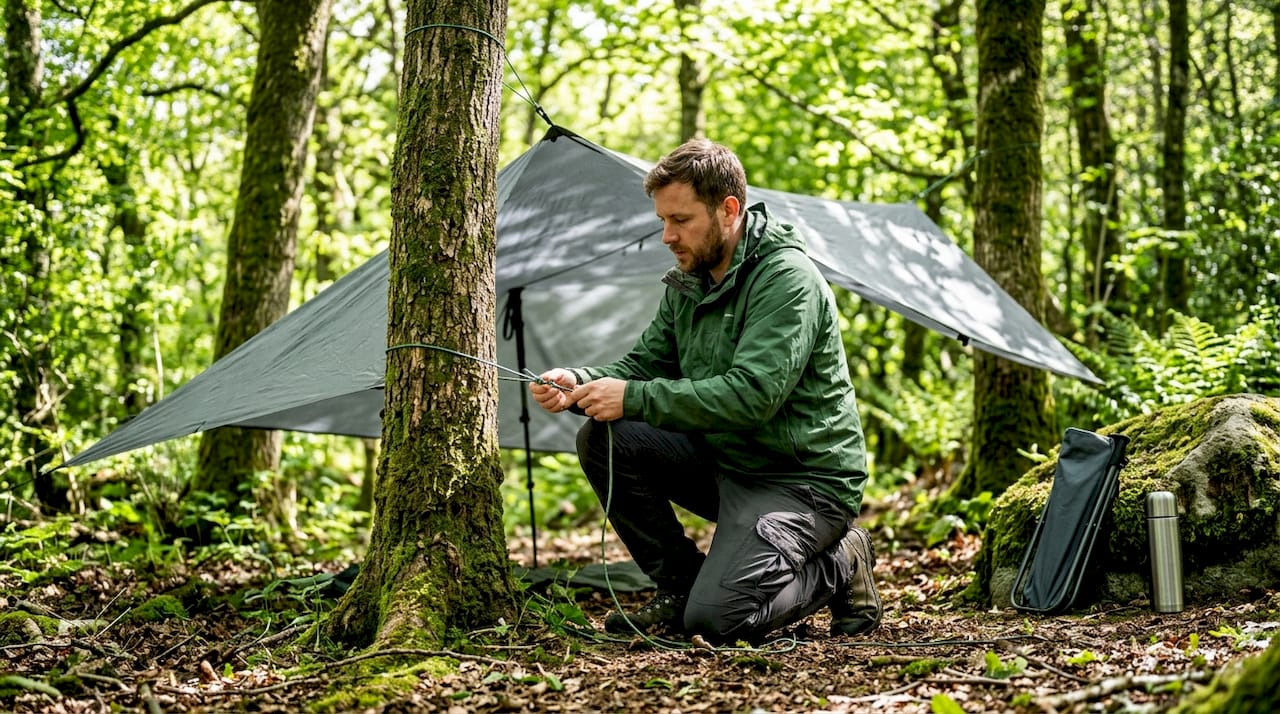
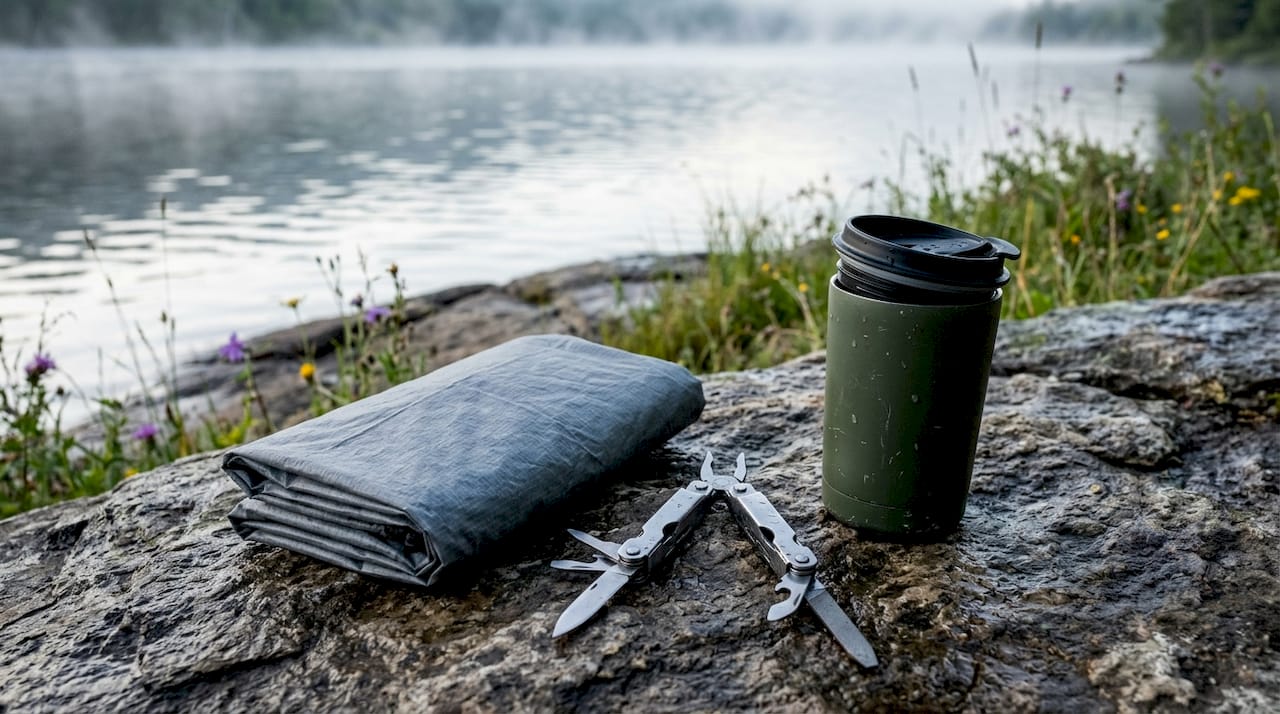
Tarps: Function as overhead shelter, groundsheet, windbreak, or emergency rain poncho. A single mid-weight silnylon tarp replaces a footprint and a rain fly.
Multi-tools: Pliers, knife, saw, screwdriver, and bottle opener in one compact unit. Brands like Leatherman and Gerber have set the standard here for decades.
Cook sets with nesting designs: A pot, lid, and cup that nest together serve as cooking vessel, serving bowl, and drinking cup. Some lids double as frying pans.
Sleeping pads: Insulated foam or inflatable pads work as seats, yoga mats, and emergency stretchers in addition to their primary sleep function.
Headlamps: Modern headlamps with red-light modes serve as reading lights, trail lights, and emergency signals. Some models also function as lanterns with a diffuser attachment.
Stuff sacks: Compression sacks double as dry bags and camp pillows when stuffed with a fleece jacket.
Multi-use gear comparison by function and weight
Gear item | Primary function | Secondary function | Typical weight |
Silnylon tarp (8x10 ft) | Overhead shelter | Groundsheet or rain poncho | 12–20 oz |
Leatherman multi-tool | Pliers and knife | Saw, screwdriver, bottle opener | 4–10 oz |
Nesting cook set | Cooking pot | Serving bowl and cup | 8–16 oz |
Foam sleeping pad | Sleep insulation | Camp seat or emergency stretcher | 10–18 oz |
Compression stuff sack | Gear compression | Dry bag or camp pillow | 2–4 oz |
These weight ranges show why multi-use gear appeals to backpackers most. Shaving 6–8 ounces per item adds up fast over a full kit. Car campers benefit too, since less gear means a cleaner, faster setup at the campsite.
The best gear for camping suits the specific trip type. A minimalist backpacker needs a tarp and a multi-tool. A family car camper benefits more from a nesting cook set and a multi-function lantern. Match the gear to the mission.
What are the trade-offs and challenges of multi-use camping gear?
Multi-use gear is not a universal solution. Some multi-use items are heavier than single-purpose tools because the added mechanisms and materials increase weight. A multi-tool weighs more than a single fixed-blade knife. That trade-off is worth it when you need the extra functions. It is not worth it when you only use one of them.
Common challenges to plan for
Single point of failure: If a multi-use item breaks, it can compromise two or more systems at once. A tarp that tears leaves you without shelter and without a groundsheet simultaneously.
Skill requirements: Multi-use gear often demands more skill to use correctly. Setting up a tarp shelter requires knot knowledge and site selection skills that a tent does not.
Maintenance complexity: More moving parts mean more to clean, lubricate, and inspect. A multi-tool with 12 components needs regular care to stay reliable.
Mission-critical risk: Never substitute versatile gear for dedicated equipment on mission-critical items like water filtration or emergency shelter in severe conditions.
Calculate “weight per function” before committing to any multi-use item. Divide the item’s weight by the number of functions you will actually use on that trip. If the math does not beat carrying dedicated tools, choose the dedicated tools.
Pro Tip: Keep a dedicated water filter and a dedicated emergency shelter in your kit regardless of how much multi-use gear you carry. Versatility is a bonus. Reliability on critical systems is non-negotiable.
How do you build a packing strategy around multi-use camping gear?
A tiered packing approach is the most practical way to integrate versatile camping gear without creating gaps in your safety net. Experts organize camping essentials into tiers, with Tier 1 covering absolute necessities and Tier 3 covering comfort and convenience additions.
Build Tier 1 with dedicated, reliable gear. Shelter, sleeping bag, sleeping pad, headlamp, and water filter belong here. These items must work every time. Do not compromise them for the sake of versatility.
Add multi-use gear in Tier 2 and Tier 3 slots. Cook sets, tarps used as secondary shelter layers, and multi-tools fit here. They save weight and space without putting critical systems at risk.
Use modular packing to spread risk. Distribute multi-use items across different bags or compartments. If one bag is lost or damaged, you do not lose all your versatile tools at once.
Test every item before the trip. Set up, cook with, and use each piece of multi-use gear at home first. Familiarity prevents fumbling in the dark or in bad weather.
Evaluate home utility before buying. Gear with high home utility like camp stoves, headlamps, and storage bins justifies its cost by serving you year-round, not just on trips.
Campers who follow this structure consistently pack lighter, set up faster, and recover more quickly when something goes wrong. The tiered approach also makes it easier to scale your kit up or down depending on trip length and conditions. A weekend car camping trip needs far fewer Tier 2 additions than a 10-day backcountry route. Check Thrillofit’s hiking tips for beginners for a practical breakdown of how gear tiers apply to trail-specific packing.
Key Takeaways
Multi-use camp gear reduces pack weight and redundancy by replacing single-purpose items with equipment that performs two or more functions reliably.
Point | Details |
Definition matters | Multi-use gear must perform every claimed function well, not just claim multiple uses. |
Functionality-first selection | Evaluate each function independently before trusting the item in the field. |
Tiered packing strategy | Keep Tier 1 essentials dedicated and reliable; add multi-use gear in supporting tiers. |
Weight per function math | Divide item weight by functions you will actually use to judge real value. |
Home utility extends value | Gear that works at home year-round justifies its cost and reduces storage clutter. |
The case for fewer, better items
The biggest misconception I see among new campers is that multi-use gear automatically means lighter gear. That is not always true. A well-built multi-tool weighs more than a single knife. The real question is whether the extra weight buys you enough function to justify the trade.
What I have found after years of testing gear across different trip types is that the best multi-use items are the ones you forget are multi-use. A good tarp just works. A solid nesting cook set just works. You do not think about the secondary function until you need it, and then it is there. That is the standard worth holding every piece of kit to.
The campers who get the most out of versatile camping gear are not the ones who buy the most gadgets. They are the ones who buy fewer items and know each one deeply. Skill matters as much as gear selection. A tarp shelter requires knot knowledge. A multi-tool requires maintenance habits. Invest time in both, and the gear pays off for years.
My practical advice: start with one or two proven multi-use items per category, test them thoroughly, and expand only after you know their limits. Quality over quantity is not a cliché here. It is the actual strategy that works.
— S
Gear up with Thrillofit
Thrillofit covers the full range of outdoor adventure topics, from camping first aid essentials to survival skills and gear selection. If you are building your kit from scratch or refining what you already carry, the guides on Thrillofit give you the practical detail you need to make confident decisions.
The Thrillofit resource library covers gear selection, campsite setup, food planning, and safety prep in one place. Whether you are planning your first overnight trip or your fiftieth backcountry route, the site connects you with the knowledge and gear insights that make every trip more efficient and more enjoyable. Visit Thrillofit to start building a smarter, lighter kit today.
FAQ
What is the simplest definition of multi-use camp gear?
Multi-use camp gear is camping equipment that performs at least two distinct functions effectively, reducing the number of items you need to carry without sacrificing performance.
How many functions should a good multi-use item perform?
The best multi-use items perform two or three functions well. Items claiming more than three functions typically perform all of them poorly.
Is multi-use gear always lighter than single-purpose gear?
Not always. Some multi-use items weigh more than dedicated tools due to added components. Calculate weight per function to determine whether the trade-off benefits your specific trip.
What camping gear should never be replaced by multi-use items?
Shelter, water filtration, and emergency signaling gear should always be dedicated, reliable items. Mission-critical systems require consistent performance that multi-use substitutes may not guarantee.
Can multi-use camping gear be useful at home too?
Yes. Items like camp stoves, headlamps, and storage bins serve functional roles at home and during emergencies, making them strong investments beyond camping use alone.
Recommended
Comments