

Benefits of Outdoor Adventure for Mind, Body, and Soul

TL;DR:
Outdoor adventure enhances physical, mental, and social well-being through regular exposure to nature and shared challenges. Short, consistent outdoor activities improve resilience, reduce stress, and foster trust and community bonds. The benefits are accessible through simple, daily habits like walks, outdoor play, and mindful nature engagement.
The benefits of outdoor adventure include improved cardiovascular function, stronger immune response, reduced anxiety, and deeper social bonds. These are not soft claims. An integrative review compiling literature through october 2025 confirms that outdoor hiking improves cardiovascular and immune function, reduces stress and depression symptoms, and promotes social interaction and community cohesion. What makes outdoor adventure distinct from gym workouts or indoor fitness routines is the combination of physical movement, nature exposure, and real human connection. Each element amplifies the others, producing wellbeing gains that no treadmill can replicate.
1. What physical health benefits does outdoor adventure provide?
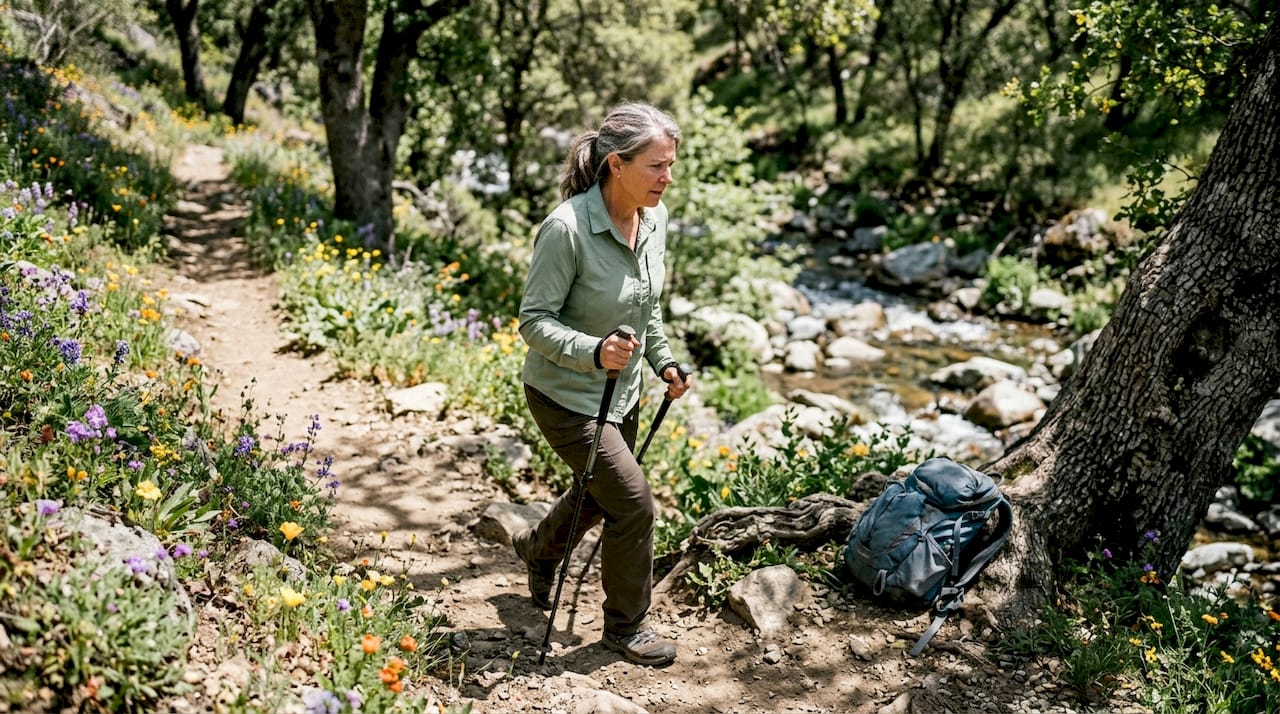
Outdoor adventure delivers measurable physical health gains that go well beyond basic calorie burn. Hiking and trail-based activities strengthen the cardiovascular system, improve metabolic function, and reduce the risk of chronic diseases including type 2 diabetes and hypertension. The terrain variation in outdoor settings also engages stabilizer muscles and improves balance in ways flat gym floors cannot.
Nature-based exercise also supports immune function. Time spent in green environments has been linked to lower cortisol levels and reduced inflammatory markers. These effects compound over time, meaning regular outdoor activity builds a stronger baseline of physical health, not just short-term fitness gains.
Key physical benefits of outdoor adventure include:
Improved cardiovascular endurance from sustained aerobic effort on varied terrain
Enhanced immune function through reduced stress hormones and increased natural killer cell activity
Lower risk of obesity, hypertension, and metabolic syndrome
Stronger musculoskeletal health from uneven ground and load-bearing movement
Better sleep quality through morning sunlight exposure, which regulates melatonin for deeper, more consistent rest
Pro Tip: Start with 20-minute hikes on easy trails and add 10 minutes of elevation or distance each week. Progressive loading prevents injury and builds the aerobic base needed for longer adventures.
2. How does outdoor adventure improve mental health?
Green exercise, defined as physical activity in natural environments, produces significantly better mental health outcomes than indoor exercise alone. A meta-analysis on green exercise shows large standardized mean differences favoring outdoor activity in both well-being scores and positive affect. That means people who exercise outside feel measurably better, not just physically, but emotionally and cognitively.
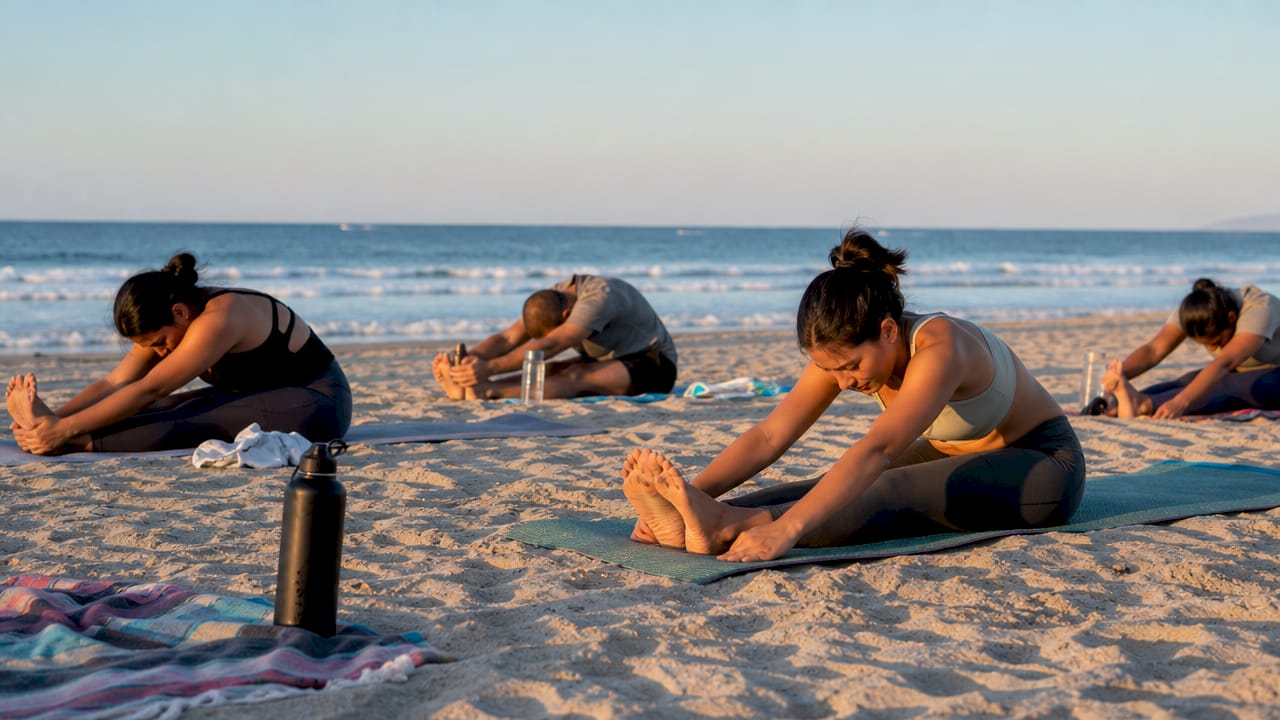
A network meta-analysis comparing green exercise to indoor exercise and no exercise found that natural environments yield superior mental health outcomes with near certainty, including for people managing clinical depression and anxiety. Nature is not just a backdrop. It is an active ingredient that amplifies the mental health benefit of movement.
The dose required is smaller than most people expect. Just 10–20 minutes of outdoor nature exposure per day reduces cortisol and prevents mental strain. Even 3–5 minutes of mindful outdoor time, where you shift attention to sensory input like birdsong or wind, produces a measurable calming effect.
Practical outdoor mental health habits that work:
Take a 15-minute walk in a park or green space before your workday starts
Eat lunch outside at least three times per week
Replace one indoor workout per week with a trail run or outdoor yoga session
Practice a 5-minute sensory check-in during any outdoor break: name what you see, hear, and feel
Plan one longer nature outing per month, even a half-day hike, to reset stress accumulation
Pro Tip: Combine movement with attention. Outdoor routines that pair physical activity with mindful presence, such as noticing the texture of bark or the sound of a creek, amplify mental health benefits compared to distracted or passive sessions.
3. In what ways does outdoor adventure foster social connection?
Outdoor adventure is one of the most reliable drivers of social cohesion available. Shared physical challenge creates trust faster than most team-building exercises. Whether it is a group hike, a camping trip, or a river crossing, the experience of navigating uncertainty together builds bonds that persist long after the trail ends.
An umbrella review covering 381 articles found that active outdoor play shows favorable associations with physical, social, mental, and spiritual health, with over 70% of observations across domains showing positive outcomes. Social health ranked among the strongest benefits, particularly for children and adolescents. That pattern holds for adults too.
Hiking and group adventure also stimulate local economies and promote community participation and social capital. Communities with strong outdoor recreation cultures show higher rates of civic engagement and lower rates of social isolation.
Activity type | Primary social benefit | Secondary social benefit |
Group hiking | Trust building through shared effort | Reduced social anxiety over time |
Team camping | Collaborative problem-solving | Stronger communication habits |
Adventure education | Peer confidence and autonomy | Resilience under shared pressure |
Family outdoor play | Intergenerational bonding | Shared identity and belonging |
Community trail events | Civic engagement | Local economic participation |
Outdoor experiences for families are especially powerful. When parents and children navigate trails or set up camp together, they build shared memories and communication patterns that carry into daily life. The absence of screens and the presence of real challenge create conditions for genuine connection.
4. What developmental and personal growth benefits come from outdoor adventure?
Outdoor adventure builds resilience in ways that structured indoor environments cannot replicate. A scoping review of 40 empirical studies found that risky outdoor play builds resilience, confidence, wellbeing, physical skills, and autonomy across childhood and adolescence. The key mechanism is authentic agency. When young people make real choices in real environments, they develop self-regulation and confidence that transfers to school, work, and relationships.
This principle applies to adults too. Freedom in outdoor adventures, the ability to choose your route, manage your own risk, and solve problems without a script, produces growth that supervised gym classes or corporate retreats rarely achieve. The discomfort is the point. Tolerating uncertainty outdoors trains the nervous system to stay calm under pressure elsewhere.
Personal growth benefits supported by recent research:
Increased resilience through repeated exposure to manageable physical and environmental challenges
Stronger self-efficacy from completing difficult routes or overnight trips independently
Improved emotional regulation through nature-induced calm and reduced cortisol
Greater sense of autonomy and personal agency from real decision-making in the field
Enhanced creativity from unstructured time in natural settings, where the brain shifts into a default mode that supports problem-solving and ideation
Boosting creativity outdoors is a real, documented effect. Natural environments reduce directed attention fatigue, the mental exhaustion that comes from constant screen-based focus, and allow the brain to restore its capacity for original thinking. A day on the trail often produces more creative insight than a week in an office.
5. How do duration, environment, and activity type affect the results?
Not all outdoor time produces equal benefits. The environment matters as much as the activity. Green natural settings, forests, trails, and open water, produce stronger mental health gains than urban parks or paved paths. Spending 15 minutes outside produces significant mental health gains, and longer exposures result in greater stress reduction and vitality. The relationship between time outdoors and benefit is real, but it is not purely linear.
Focused attention amplifies results. Passive outdoor time, such as sitting in a garden while scrolling a phone, produces fewer gains than active, present engagement with the natural environment. The quality of attention you bring to outdoor time shapes how much benefit you receive.
Duration and environment | Mental health benefit | Physical benefit |
5–10 min, urban green space | Mild mood lift | Minimal |
15–20 min, natural trail | Significant stress reduction | Light cardiovascular activation |
45–60 min, forest or wilderness | Strong anxiety and cortisol reduction | Moderate cardiovascular and metabolic gain |
Half-day or full-day hike | Deep restoration, improved sleep | High cardiovascular and musculoskeletal benefit |
Multi-day wilderness trip | Sustained wellbeing reset | Full-body conditioning and immune support |
The health benefits of hiking scale with both duration and setting. A 20-minute walk in a city park is genuinely useful. A full-day trail in a forest is transformative. The research supports starting small and building up, not waiting for the perfect long trip to begin.
Key takeaways
Outdoor adventure produces physical, mental, and social benefits that compound across all three domains when practiced consistently in natural settings.
Point | Details |
Physical health gains are real | Hiking improves cardiovascular function, immune response, and sleep quality through direct physiological mechanisms. |
Nature amplifies mental health | Green exercise outperforms indoor exercise for depression and anxiety, with benefits starting at just 10–15 minutes outdoors. |
Social bonds form faster outside | Shared outdoor challenge builds trust, communication, and community cohesion more effectively than most indoor activities. |
Autonomy drives personal growth | Real choice and manageable risk in outdoor settings build resilience, confidence, and self-regulation across all ages. |
Small doses work | You do not need a week-long expedition. Consistent short outdoor sessions produce lasting wellbeing gains. |
Why I think most people are doing outdoor adventure wrong
Most people treat outdoor adventure as a reward for when life slows down. They wait for vacation, the right gear, or the perfect weather. That framing is the single biggest barrier to actually getting the benefits.
The research is clear: small, consistent nature exposures are effective. Long trips are not required. A 15-minute trail walk before work, done three times a week, produces measurable cortisol reduction and mood improvement. Waiting for the annual camping trip means waiting most of the year to feel better.
The second mistake is treating outdoor time as passive recovery. People sit outside and scroll their phones, then wonder why they feel the same. The mental health gains come from attention, not just location. When you actually look at the trees, listen to the birds, and feel the ground under your feet, your nervous system responds. That is not mysticism. It is the sensory engagement mechanism that mindful outdoor time activates.
The third mistake is undervaluing the social dimension. Solo outdoor time is valuable. But group adventure, whether a family hike or a trail run with friends, compounds the benefit. You get the physical gain, the nature exposure, and the social connection simultaneously. That combination is hard to replicate anywhere else.
Start with what you have. A local trail, a park, a green space near your office. Bring your attention with you. Go with someone when you can. The adventure does not have to be extreme to be effective.
— S
Thrillofit has the resources to get you started
Outdoor adventure does not require expert-level skills or expensive gear to deliver real results. What it requires is a starting point and the right information to stay safe and keep going.
Thrillofit covers the full range of outdoor adventure topics, from beginner hiking tips and trail gear picks to campsite setup guides and first aid essentials. Whether you are planning your first overnight trip or looking to deepen a practice you already have, the site gives you practical, safety-focused guidance built for real outdoor conditions. Visit Thrillofit to find guides, gear recommendations, and adventure ideas matched to your experience level.
FAQ
What are the main benefits of outdoor adventure?
Outdoor adventure improves cardiovascular health, reduces stress and anxiety, builds social bonds, and develops personal resilience. These benefits span physical, mental, and social domains and compound when practiced consistently.
How long do you need to spend outside to see mental health benefits?
Research shows that 15 minutes outdoors produces significant mental health gains, with greater stress reduction from longer sessions. Even 10–20 minutes of daily nature exposure reduces cortisol and improves mood.
Is outdoor exercise better than indoor exercise for mental health?
Yes. A network meta-analysis found that green exercise in natural environments produces superior outcomes for depression and anxiety compared to indoor exercise, with near-certain statistical confidence.
Can outdoor adventure benefit children and families?
Active outdoor play shows positive associations with physical, social, mental, and spiritual health in children and adolescents, with over 70% of observations across health domains showing favorable outcomes. Outdoor experiences for families also strengthen communication and intergenerational bonding.
Does outdoor adventure require extreme activities to be effective?
No. A 15-minute walk in a natural setting, a family camping trip, or a short trail hike all produce documented health benefits. The advantages of outdoor activities come from consistent engagement with nature, not from extreme risk or physical intensity.
Recommended
Comments