
Why Document Outdoor Adventures: Memory, Growth, and Mindfulness
- Wesley Coldwell
- Jul 3
- 8 min read

TL;DR:
Documenting outdoor adventures helps preserve sensory details and emotional insights that photos alone cannot capture. It also fosters personal growth, improves memory, and supports emotional resilience through active reflection. Starting with small habits like journaling and short videos enables meaningful storytelling and better trip planning over time.
Documenting outdoor adventures is the practice of recording your experiences in the field through journals, video, sketches, or logs to preserve memories and support personal growth. Most outdoor enthusiasts rely on photos alone, but photos capture only “what” happened. Journals and videos capture the “how” and “why,” including your emotions, the effort it took, and the full sensory context of the moment. The benefits of documenting adventures go far beyond a social media post. They include sharper memory retention, deeper self-awareness, and a personal archive that makes every future trip better.
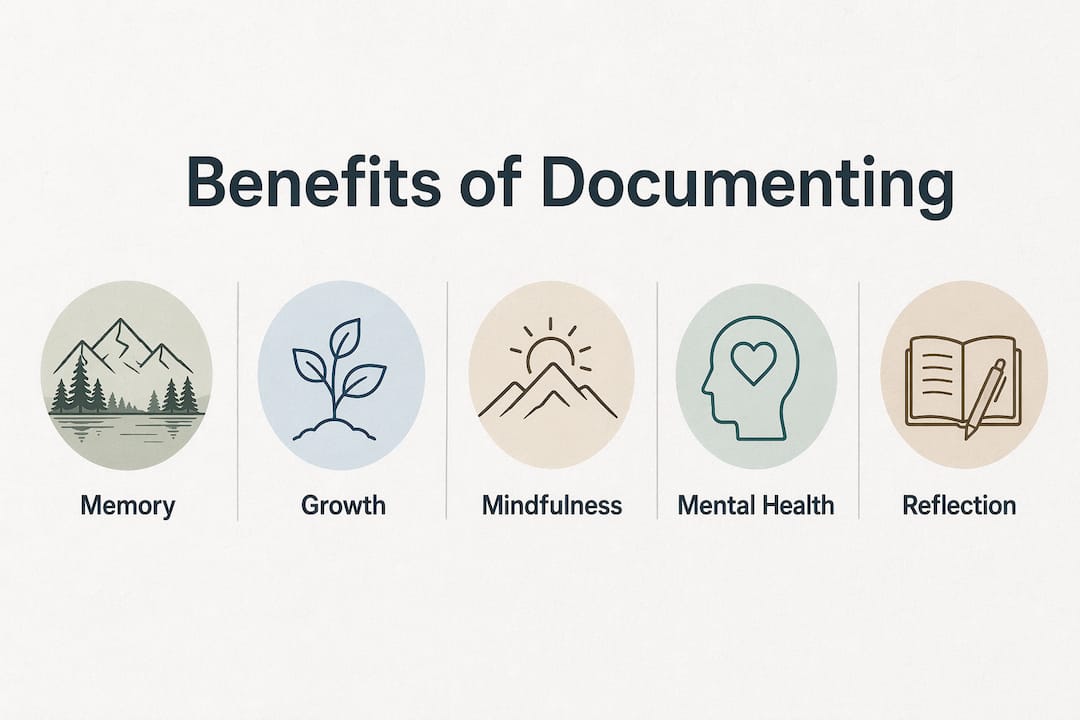
Why document outdoor adventures: the core benefits
The most important reason to document outdoor adventures is that vivid memories fade fast. Sensory details, the smell of pine after rain, the burn in your legs on a steep climb, the sound of a river at dusk, disappear within weeks if you do not anchor them. Short journal entries or 30-second clips trigger far more vivid recall than a camera roll full of unedited photos. That single fact changes how you should think about capturing nature experiences.
Documentation also drives personal growth in a way that passive scrolling through photos never does. When you write about a challenge you faced on the trail, you process it. You identify what worked, what scared you, and what you want to try differently next time. That reflection is the engine behind real skill development and emotional resilience outdoors.
The benefits of documenting adventures include:
Memory anchoring: Sensory and emotional details recorded immediately after an experience stay accessible for years.
Emotional processing: Writing or filming your reactions to fatigue, fear, or awe helps you understand your own mental patterns.
Personal growth: Reviewing past records reveals how your skills, preferences, and confidence have evolved over time.
Better trip planning: Logged data on routes, weather, and difficulty directly informs smarter decisions on future outings.
Mindfulness in the field: The act of noticing and recording keeps you present rather than rushing to the next viewpoint.
“Travel journaling is an active learning experience. It shifts focus from passive recording to turning raw experience into meaningful narrative. Reviewing and synthesizing entries transforms those experiences into integrated wisdom.” — The Art of Travel Journaling
The outdoor adventure benefits you feel physically and mentally are amplified when you take time to reflect on them. Documentation is the tool that makes that reflection concrete.
How can you effectively document your outdoor experiences?
The most practical approach to adventure documentation combines multiple formats. No single method captures everything. Here is a framework that works across skill levels and trip types.
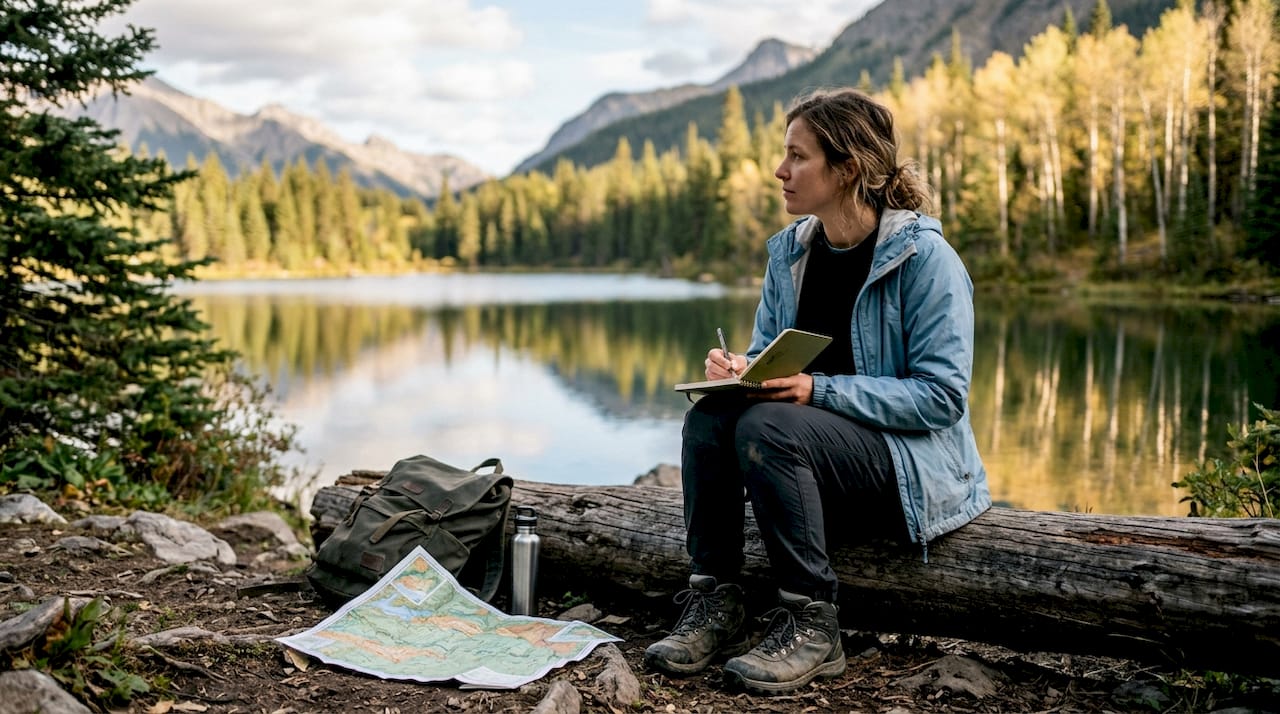
Start with a field journal. Carry a small, weatherproof notebook and write for five minutes at the end of each day. Record what you saw, how you felt, and one moment that surprised you. This habit builds quickly and costs almost nothing.
Use the 5Ws framework. The 5Ws method (Who, What, When, Where, Why) gives beginners a reliable structure. It prevents the blank-page paralysis that stops most people from starting.
Film short narrative clips. Short edited videos with a narrative arc are more memorable than raw footage or photo dumps. Aim for 30 to 90 seconds per clip. Narrate what you are seeing and feeling, not just what the camera sees.
Try nature doodling. Sketching a plant, a trail feature, or a campsite layout engages different cognitive pathways than writing or photography. It forces you to slow down and observe details you would otherwise miss.
Log the hard data. Serious hikers benefit from recording coordinates, altitude, weather conditions, and route difficulty. This data serves as both a memory aid and, for peak-bagging or achievement programs, a record that counts toward formal recognition.
The most common mistake is waiting for a major expedition before starting. Building documentation habits on smaller trips makes the practice feel natural before the stakes are high. A weekend hike is the perfect training ground.
Pro Tip: Write or film for yourself first, not for an audience. Documenting for a small personal circle, or just for future you, prevents the performative trap where you stage moments instead of living them.
Why active reflection beats passive photo collection
Most outdoor enthusiasts collect photos without ever reviewing them. That is passive recording. Active reflection means going back to your notes or clips and asking what they reveal about your patterns, preferences, and growth. The difference in long-term value is significant.
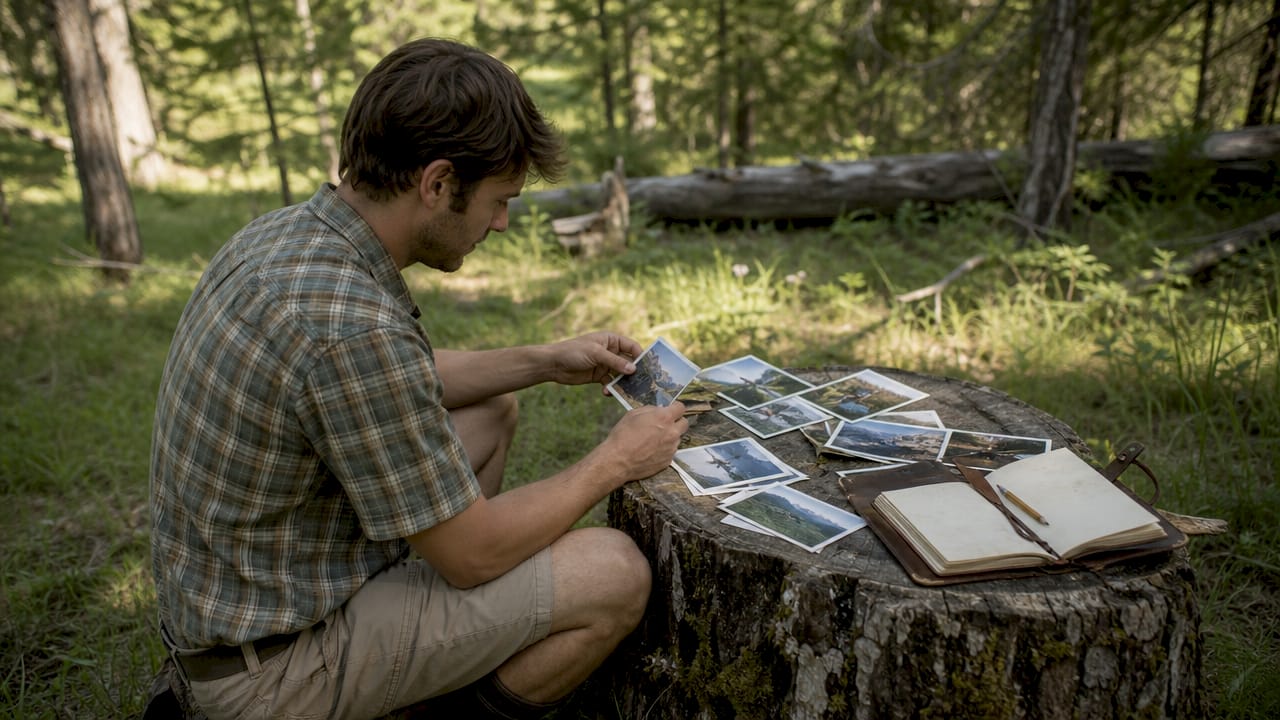
Active reflection through documentation transforms trips into a personal archive. When you record budget, route difficulty, and your enjoyment level, you build a dataset about yourself as an outdoor adventurer. Over time, that archive tells you which terrain energizes you, which conditions drain you, and which experiences you keep returning to.
Reviewing past records also improves emotional resilience. When you read a journal entry from a trip where everything went wrong and you still finished strong, you carry that evidence into the next hard day on the trail. It is concrete proof of your own capability.
Here is what active reflection looks like in practice:
Monthly review sessions: Set aside 20 minutes each month to reread journal entries or rewatch clips from recent outings.
Pattern spotting: Note recurring themes. Do you always underestimate water needs? Do you feel best on solo trips or with groups?
Pre-trip preparation: Before a new adventure, read your notes from similar past trips. Adjust your gear list, pacing, and expectations based on what you actually experienced, not what you imagined.
Emotional check-ins: Flag entries where your mood shifted dramatically. Those moments often reveal the most about your mental relationship with the outdoors.
The importance of adventure journaling becomes clearest when you compare how you planned a trip before keeping records versus after. The improvement is measurable and fast.
How does documenting adventures support mental health?
Documentation is a mindfulness practice. When you focus on recording the five senses during an outdoor experience, you pull your attention fully into the present moment. Focusing on the five senses while documenting captures your reactions to challenges and fatigue in real time, which deepens personal growth and emotional processing.
The outdoors already reduces stress. Adding a documentation practice multiplies that effect. Writing about what you observed and felt after a hard climb or a quiet morning by a lake gives your brain a structured way to process the experience. That structure is what separates a forgettable outing from a meaningful one.
“Documentation is an ‘art of noticing’ that transforms outdoor experiences into creative mindfulness away from digital distractions. It trains you to see what is actually in front of you, not just what makes a good photo.” — How to Start a Nature Journal While Hiking
Documentation also helps you manage the emotional shifts that come with extended outdoor trips: fatigue, disorientation, and the low-grade anxiety of being far from comfort. Writing through those feelings, even briefly, gives them a container. That containment is a form of emotional regulation that carries over into daily life.
Pro Tip: Think of your documentation as a gift to your future self. The entry you write tonight about the view from the ridge, the cold, and the pride you felt will matter far more to you in five years than any photo you took.
Autobiographical memories store the meaning you assign to experiences, not just the facts. Documentation is how you assign that meaning deliberately, rather than letting it fade or distort over time.
Key Takeaways
Documenting outdoor adventures builds a personal archive that sharpens memory, drives growth, and supports mental well-being far more effectively than photos alone.
Point | Details |
Memory fades fast | Short journal entries or 30-second clips preserve sensory details that photos miss entirely. |
Use the 5Ws framework | Who, What, When, Where, and Why gives beginners a reliable structure to start documenting immediately. |
Active reflection beats passive collecting | Reviewing past records reveals patterns in your behavior, preferences, and resilience over time. |
Documentation is mindfulness | Focusing on the five senses while recording keeps you present and deepens emotional processing. |
Start small, start now | Building habits on short local trips makes documentation feel natural before major expeditions. |
What I’ve learned from years of documenting trails and expeditions
I spent years treating documentation as an afterthought. I took hundreds of photos on every trip and reviewed almost none of them. The memories I thought were locked in those images turned out to be surprisingly thin when I tried to recall specific details even a year later.
The shift happened when I started keeping a small field journal. Not a polished travel diary, just rough notes written by headlamp at the end of the day. Within a few months, I had a record I actually wanted to read. More importantly, I had a record that taught me things about myself I had not noticed in real time.
The biggest trap I fell into early on was documenting for an imagined audience. I filmed clips thinking about how they would look shared online. The result was footage that felt staged and hollow when I watched it back alone. The moment I started filming and writing purely for myself, the quality of what I captured changed completely. The performative social media trap is real, and it quietly corrupts the authenticity of your records if you let it.
Revisiting a journal from a difficult solo trip three years ago recently reminded me of a specific moment of doubt on a ridge in high wind. Reading that entry before a similarly challenging trip this past fall gave me a kind of confidence I could not have manufactured any other way. That is the real return on investment from outdoor adventure storytelling. It compounds over time.
— S
Thrillofit: your resource for outdoor adventure and documentation
Thrillofit covers the full spectrum of outdoor adventure, from survival skills and wilderness safety to gear picks and trip ideas. Whether you are just starting to build your documentation habit or looking to deepen your practice, the site offers practical, experience-driven content built for outdoor enthusiasts at every level.
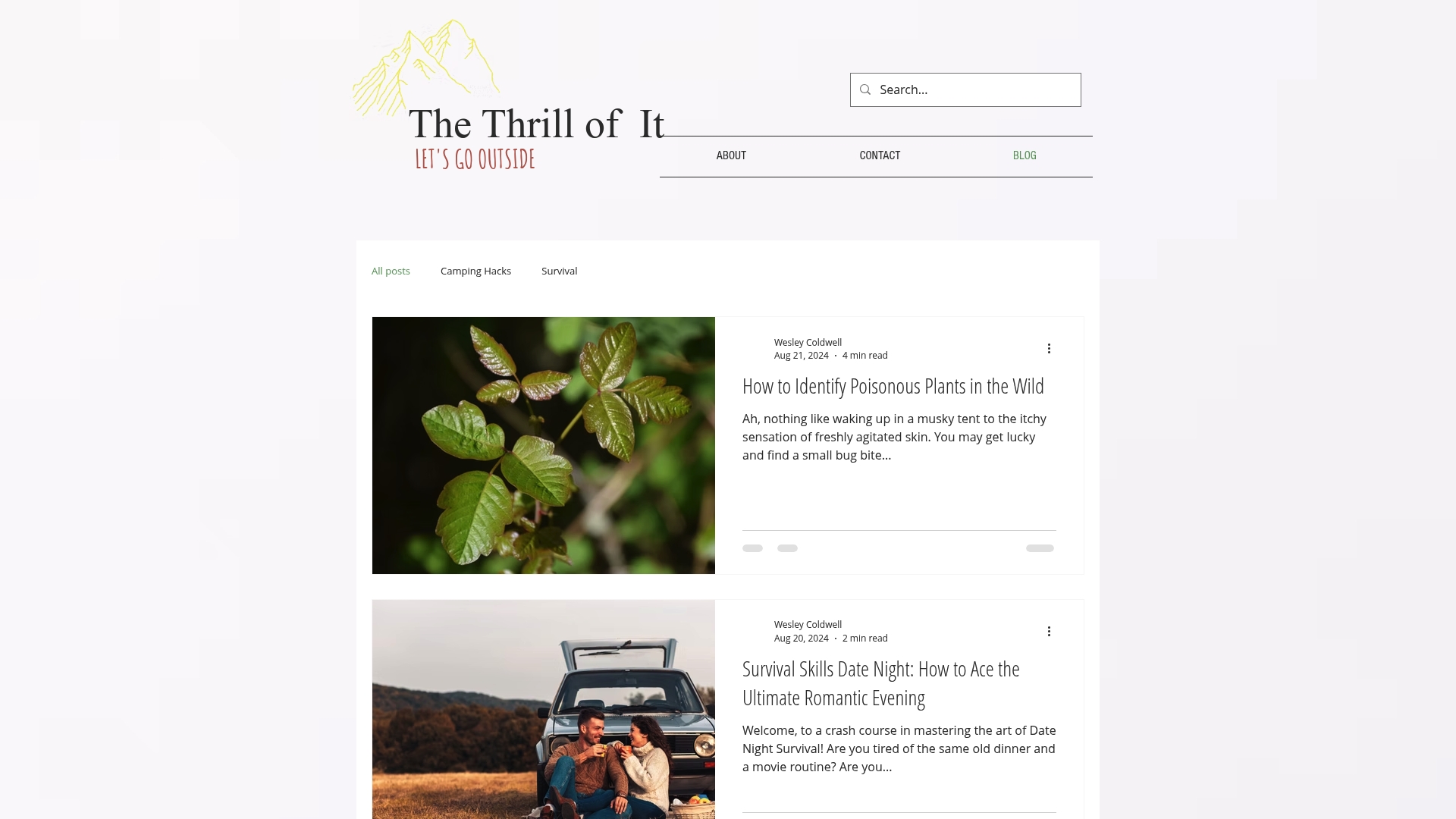
The Thrillofit blog covers topics that connect directly to what you record in the field, including romantic outdoor adventure ideas worth capturing and safety knowledge that belongs in every trip log. Head to Thrillofit to find articles that sharpen your skills, inform your planning, and give you more worth documenting on your next outing.
FAQ
Why should I document outdoor adventures instead of just taking photos?
Photos capture what happened visually. Journals and short video clips preserve the emotions, effort, and sensory context that photos miss, making memories far more vivid and meaningful over time.
What is the easiest way to start documenting outdoor experiences?
Start with a five-minute journal entry at the end of each outing using the 5Ws framework: Who, What, When, Where, and Why. This structure removes the blank-page barrier and builds the habit fast.
How does adventure journaling support mental health?
Writing about your outdoor experiences engages the five senses and gives your brain a structured way to process fatigue, stress, and emotional shifts. That processing is a proven form of emotional regulation.
Do I need special gear to document my adventures?
No special gear is required. A small weatherproof notebook and a phone camera are enough to start. Combining written notes with short video clips gives you the most complete record without extra equipment.
How often should I review my outdoor documentation?
A monthly review of recent entries is enough to spot patterns and extract useful insights. Pre-trip reviews of past similar outings are especially valuable for improving planning and managing expectations.
Recommended
Comments