

Frostbite Treatment: What to Do and When to Act

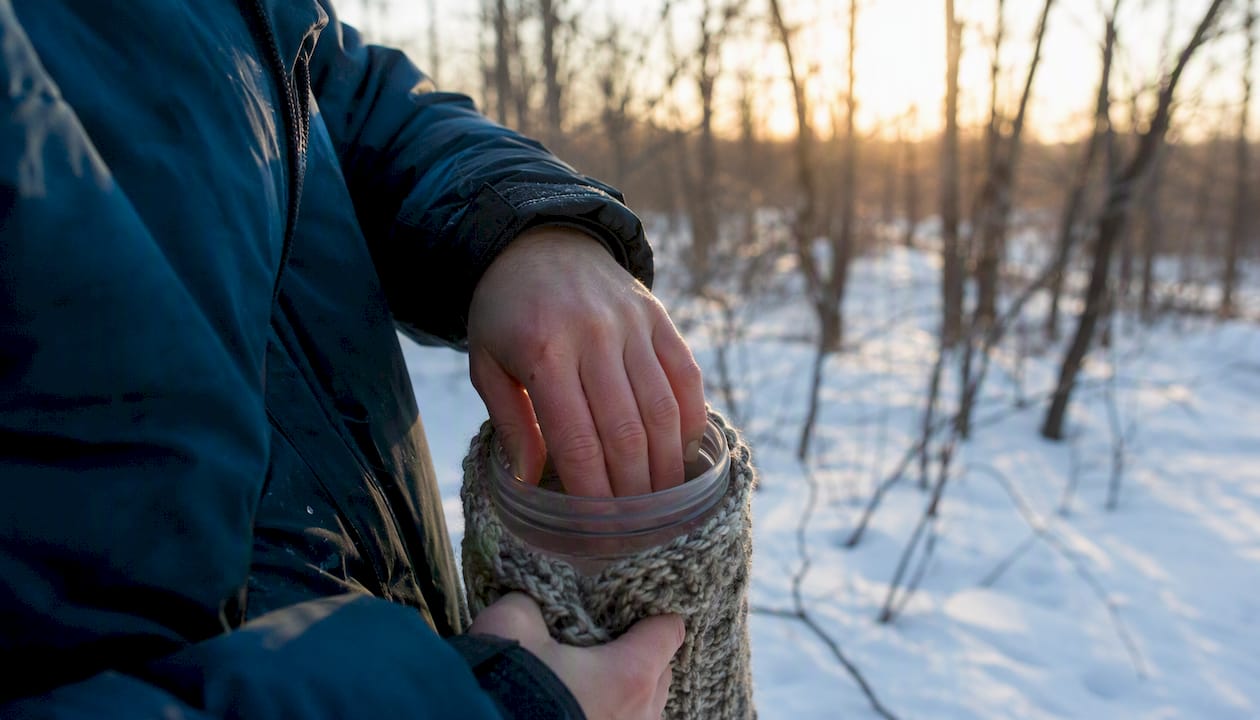
If you can guarantee the tissue won’t refreeze, rewarm it now in warm water (104–108°F / 40–42°C) for 15–30 minutes. If refreezing is possible, protect the area and get to care without rewarming. That single decision separates a recoverable injury from a catastrophic one.
Immediate steps:
Move to shelter. Get out of wind and cold before doing anything else.
Remove wet clothing, gloves, and boots from the affected area.
Take off rings, watches, and tight jewelry before thawing begins. Swelling after rewarming is rapid, and anything restrictive can act as a tourniquet.
If the person is alert and not nauseated, give warm, nonalcoholic drinks.
After rewarming, cover thawed tissue loosely with dry sterile dressings. Separate affected fingers or toes with gauze.
Call emergency services immediately if you see any of these:
Signs of hypothermia: shivering that suddenly stops, confusion, slurred speech, slow or shallow breathing (core temp below 95°F / 35°C)
Persistent numbness after rewarming
Large-area injury (hands, feet, face)
Blisters, especially blood-filled ones
Severe pain, tense swelling, or absent pulses in the limb (compartment syndrome)
Any sign of infection: fever, increasing redness, foul odor
Hypothermia is the priority. A person with both hypothermia and frostbite needs core rewarming first. Frostbite is serious; a dropping core temperature is immediately life-threatening.
Key Takeaways
Effective frostbite treatment depends on one early decision: rewarm only if refreezing is impossible, and get to advanced care fast for severe injuries.
Point | Details |
Rewarm safely or not at all | Use warm water at a suitable temperature for a quarter to half an hour only when refreezing is not possible. |
Remove jewelry before thawing | Swelling after rewarming is rapid; restrictive items can act as a tourniquet. |
tPA and iloprost are time-sensitive | For severe frostbite, thrombolytics should be considered within 24–48 hours of injury. |
Delay surgery until tissue demarcates | Black-appearing tissue may reveal viable tissue underneath; wait days to weeks before amputation. |
Seek emergency care for red flags | Hypothermia, blood-filled blisters, persistent numbness, or compartment syndrome signs need immediate care. |
Table of Contents
What is frostbite and how do clinicians classify it?
Frostbite is a freeze injury to body tissue. When skin and underlying structures drop below freezing, ice crystals form inside and between cells, disrupting cell membranes and cutting off blood flow. The result ranges from temporary numbness to permanent tissue death, depending on how deep the freezing goes and how quickly treatment starts.
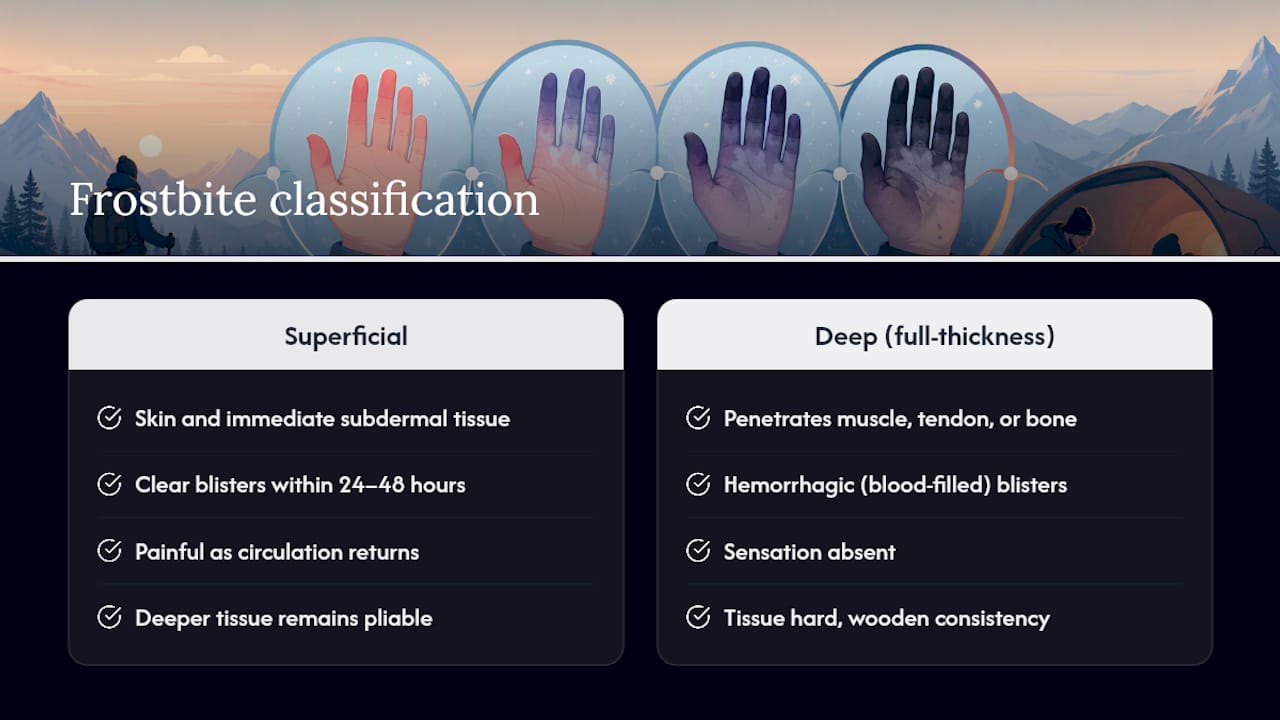
Clinicians typically classify frostbite in two practical tiers: superficial and deep (also called full-thickness). Some systems use four grades, but the superficial-versus-deep distinction is what drives field and hospital decisions.
Frostnip sits just below the threshold of true frostbite. Skin turns pale and numb but hasn’t actually frozen. It’s fully reversible with early warming and leaves no lasting damage.
Superficial frostbite involves the skin and the tissue just beneath it. The surface freezes, but deeper structures remain pliable. After rewarming, clear blisters often form within 24–48 hours, and the area can be intensely painful as circulation returns.
Deep or full-thickness frostbite penetrates through skin into muscle, tendon, or bone. The tissue feels hard and wooden, sensation is absent, and hemorrhagic (blood-filled) blisters may develop. Black eschar can appear days to weeks later. Severe cases risk necrosis and may require thrombolytic therapy or surgery. The deeper the injury, the longer the recovery and the higher the risk of permanent loss.
What do frostbite symptoms look like at each stage?
Catching frostbite early is the difference between a painful afternoon and a months-long recovery. Symptoms follow a rough progression, though cold, wind, and individual circulation all affect how fast things move.
Frostnip (early warning):
Skin turns pale, red, or white
Numbness, tingling, or a “pins and needles” sensation
Skin remains soft and pliable
Fully reversible with gentle warming; no blisters, no lasting damage
Superficial frostbite:
Skin appears white, gray, or waxy; may feel firm on the surface but soft underneath
Numbness replaces the earlier tingling
Clear or milky blisters typically appear within 24–48 hours of rewarming
Rewarming is intensely painful, which is actually a good sign: it means nerve function is returning
Deep or full-thickness frostbite:
Tissue feels hard, cold, and completely insensate
Skin may look mottled, blue, or gray
Hemorrhagic (blood-filled) blisters develop after rewarming
Black eschar (dead tissue) can form over days to weeks
Risk of permanent damage, tissue loss, or amputation is significant
How fast can frostbite progress? In wind chills below -20°F (-29°C), exposed skin can reach frostbite in under 30 minutes. At -40°F (-40°C), that window shrinks to under 10 minutes. Blisters typically appear within the first 24–48 hours after rewarming, and the full extent of deep injury may not be clear for days or weeks.
The most dangerous gap is between frostnip and superficial frostbite. The skin looks similar, but the treatment urgency is not. If the tissue feels firm rather than soft, treat it as frostbite, not frostnip.
How to treat frostbite in the field: step-by-step first aid
Good frostbite first aid is mostly about what you don’t do. The tissue is fragile, often numb, and easy to damage further with well-intentioned but wrong interventions.
Step-by-step field protocol
Treat hypothermia first. If the person is shivering severely, confused, or has cold, pale skin on the trunk, address core temperature before focusing on the extremities.
Get out of the cold and wind. A tent, vehicle, or building. Wind dramatically accelerates heat loss.
Remove wet clothing, gloves, and boots from the affected area. Wet fabric conducts cold and keeps tissue freezing.
Remove all jewelry and tight items before any rewarming attempt. Swelling after thawing is fast and severe.
Rewarm in warm water at 104–108°F (40–42°C) for approximately 15–30 minutes, until the tissue softens and color and feeling return. Keep the water circulating gently. This will hurt. Analgesia (ibuprofen, if available) before and during rewarming helps.
Cover thawed tissue loosely with dry sterile dressings. Separate fingers and toes with gauze to prevent them from sticking together.
Do not let the person walk on thawed feet if avoidable. Walking on refrozen or thawed tissue causes additional damage.
What not to do
No rubbing or massaging. Frostbitten tissue contains microscopic ice crystals. Rubbing destroys cell membranes and converts salvageable tissue into permanent injury.
No direct dry heat. Campfires, heating pads, and hair dryers can cause burns on numb skin before you realize it.
Do not break blisters. They protect underlying tissue from infection.
No alcohol. It causes vasodilation that feels warm but accelerates heat loss.
Do not rewarm if refreezing is possible. This is the most critical rule in the field. Thaw-refreeze cycles cause far more damage than leaving tissue frozen during transport.
When water immersion isn’t available
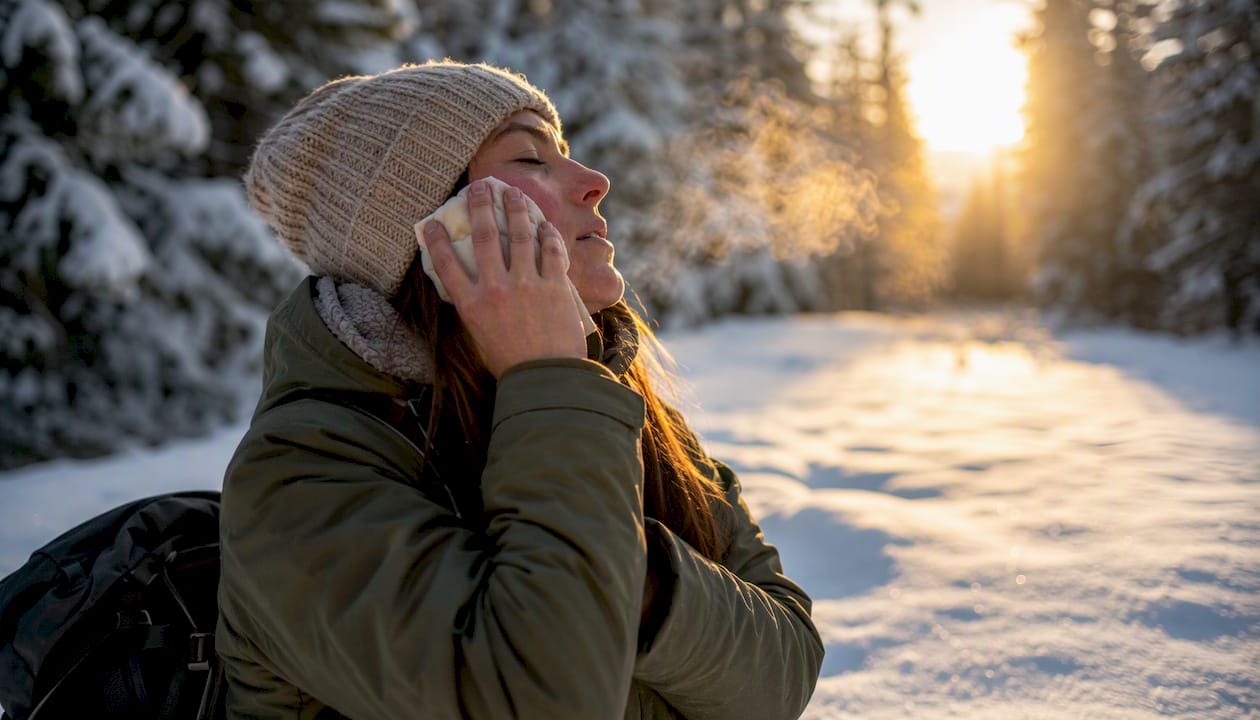
For face and ears, warm wet compresses work as a substitute. For hands, tuck them into your armpits against bare skin. Body-heat rewarming is slower but is far better than dry heat or doing nothing.
Pro Tip: Pack a small insulated thermos with warm water on winter trips. If you need to rewarm digits in the field, you’ll have the right temperature ready without guessing.
What hospitals do for frostbite treatment
Hospital care for frostbite follows a clear sequence, and the first few hours matter more than most people realize for severe injuries.
Standard care
Rapid rewarming in circulating warm water at approximately 40–42°C is the foundation of hospital treatment. The Merck Manual recommends NSAIDs like ibuprofen and topical aloe vera as adjuncts to control inflammation and pain. Ibuprofen inhibits prostaglandin synthesis, which plays a role in the inflammatory cascade that extends tissue damage after thawing. Aloe vera, applied topically to intact or blistered skin, provides anti-inflammatory benefit without the risks of other topical agents.
Beyond rewarming, standard hospital management includes:
Aggressive analgesia, often IV opioids for severe pain during rewarming
Elevation of affected limbs to reduce swelling
Tetanus prophylaxis if immunization is not current
Sterile wound dressings and infection surveillance
Hydration support, because dehydration impairs peripheral perfusion and complicates recovery
Time-sensitive advanced therapies
For severe (Grade 3–4) frostbite, two interventions can significantly reduce amputation risk, but both are highly time-dependent. The 2024 Wilderness Medical Society guideline recommends considering thrombolytic therapy (tPA) or iloprost within 24–48 hours for eligible patients with severe injuries.
tPA (alteplase) dissolves clots in the small vessels of frostbitten tissue, restoring perfusion before permanent ischemic damage sets in. It carries bleeding risk and is used selectively. Iloprost, a prostacyclin analog, reduces vasospasm and platelet aggregation. Its availability varies by country and institution; it is more widely used in Europe than in the United States.
The 24–48 hour window is real. Clinical reviews confirm that effectiveness of tPA and iloprost is highly time-dependent; early transfer to a center capable of offering these therapies is one of the most important decisions a first responder or emergency physician can make for a patient with severe frostbite.
Surgical strategy
Surgery is delayed until tissue viability is clearly demarcated, which often takes days to weeks. Tissue that looks black and dead may shed its outer layer and reveal viable tissue underneath. StatPearls notes that clinical teams avoid early amputation precisely because the black “carapace” can be misleading. Urgent surgery is reserved for two situations: compartment syndrome and infected wet gangrene, both of which are limb- or life-threatening emergencies that cannot wait.
Pro Tip: If you’re transporting someone with severe frostbite, call ahead to the receiving hospital. Asking whether they have tPA protocols or iloprost access for frostbite can save critical hours.
When should you call emergency services for frostbite?
Some frostbite situations are manageable in the field with the steps above. Others need emergency care immediately. Here’s how to triage.
Call 911 or emergency services right now if:
The person shows signs of hypothermia: shivering that has stopped, confusion, slurred speech, or slow breathing
A limb is pulseless, completely insensate, or has tense, painful swelling (compartment syndrome)
The injury covers a large area: both hands, both feet, or the face
Blood-filled blisters are present
There are signs of infection: fever, spreading redness, foul smell
Go to an emergency department urgently (same day) if:
Numbness persists after rewarming
Clear blisters have formed
You suspect deep frostbite based on hard, insensate tissue
The person has systemic symptoms: fever, malaise, or general deterioration
Advanced therapies like tPA or iloprost may be appropriate (severe injury, early presentation)
When in doubt, go. The 24–48 hour window for thrombolytics closes fast, and a specialist consultation in the first hours can change outcomes dramatically. Erring toward transport is never the wrong call.
What to expect during frostbite recovery
Recovery from frostbite is slower and more unpredictable than most people expect, especially for deep injuries.
Typical timelines:
Frostnip: resolves within hours to a day with no lasting effects
Superficial frostbite: skin may peel and remain sensitive for days to weeks; full recovery in most cases
Deep frostbite: weeks to months; tissue demarcation (the boundary between viable and dead tissue) may take 2–6 weeks to become clear
Complications to watch for:
Infection in blistered or open areas
Persistent numbness or neuropathic pain, which can last months or become permanent
Cold sensitivity: many frostbite survivors find the affected area remains hypersensitive to cold for years
Tissue loss or amputation in severe cases
Long-term effects from concurrent hypothermia if that was present
Rehabilitation matters. Physical and occupational therapy help restore mobility and function after deep injuries. Pain management, including neuropathic pain medications, may be needed. Specialist follow-up with a wound care team or vascular surgeon is appropriate for anything beyond mild superficial injury.
Definitive debridement or amputation is delayed until the line between living and dead tissue is unambiguous. Patients and families often find this waiting period psychologically difficult, but premature surgery consistently removes tissue that would have survived.
How to prevent frostbite on outdoor trips
Prevention is straightforward once you understand what actually drives frostbite risk: wet skin, restricted circulation, and wind.
Clothing and layering:
Windproof outer shell, insulating mid-layer (fleece or down), moisture-wicking base layer
Mittens over gloves for extreme cold; mittens keep fingers together and retain more heat
Multiple thin sock layers inside insulated, waterproof boots; moisture management is critical since wet socks accelerate heat loss
Balaclava or face covering for wind-exposed conditions
See Thrillofit’s hiking tips for layering and gear selection for a full breakdown
Behavioral rules:
Avoid alcohol before and during cold exposure; it feels warming but accelerates heat loss
Avoid tobacco; nicotine causes vasoconstriction and reduces blood flow to extremities
Stay well fed and hydrated; caloric deficit and dehydration both impair thermoregulation
Check your extremities every 20–30 minutes in severe cold; numbness is the warning sign you can’t feel
Rotate tasks to keep circulation moving; standing still in extreme cold is a risk factor
Seek shelter early when weather deteriorates; don’t push through worsening conditions
Gear essentials:
Spare dry gloves and socks in a waterproof bag
Chemical hand warmers as backup
Emergency bivy or space blanket
Insulated, waterproof boots rated for the expected temperature
Higher-risk individuals: People with diabetes, peripheral vascular disease, Raynaud’s phenomenon, or those taking beta-blockers have reduced peripheral circulation and should set lower exposure limits and monitor more frequently. High-altitude environments add dehydration and reduced oxygen delivery to the risk picture.
Common myths and dangerous mistakes in frostbite care
A few deeply embedded myths about frostbite treatment cause real harm every year. Here’s what’s wrong with each and what to do instead.
“Rub it with snow to warm it up.” Snow is below freezing and rubbing destroys cells. The ice crystals inside frostbitten tissue act like tiny blades when the tissue is manipulated. The correct alternative: warm water immersion or body-heat rewarming.
“Hold it near the fire.” Numb tissue cannot feel heat, which means it cannot warn you when it’s burning. Direct dry heat from campfires, heating pads, or hair dryers causes burns on top of frostbite. Use warm water at a controlled temperature instead.
“Thaw it now so it starts healing.” If there’s any chance the tissue will refreeze before you reach care, do not rewarm it. A thaw-refreeze cycle causes substantially more damage than leaving the tissue frozen during transport. Protect it, pad it, and move.
“Pop the blisters to relieve pressure.” Blisters are a sterile barrier protecting raw tissue underneath. Breaking them introduces infection risk. Leave them intact; a clinician will manage them appropriately.
“There’s a cream or ointment that treats frostbite.” There isn’t. Topical aloe vera has anti-inflammatory value as an adjunct, and ibuprofen helps with pain and inflammation, but no topical product reverses freeze injury. The treatment is rewarming, circulation restoration, and time.
Your outdoor first aid kit for cold-weather trips
A purpose-built cold-weather kit weighs almost nothing and can make the difference between a manageable situation and a preventable amputation.
Kit checklist:
Sterile gauze dressings and rolled gauze (for separating digits and covering thawed tissue)
Chemical hand warmers (multiple pairs; use as supplemental heat, not direct contact)
Spare dry socks and mittens in a sealed waterproof bag
Ibuprofen (for pain and inflammation control before and during rewarming)
Small insulated thermos (for carrying warm water at the right temperature)
Emergency bivy or reflective space blanket (for shelter and insulation)
Oral rehydration salts or electrolyte packets
Small mirror or phone for self-inspection of face and ears
Medical tape and scissors
For a complete kit list covering all wilderness first aid scenarios, Thrillofit’s camping first aid kit guide covers everything from blister care to splinting.
Before you leave, decide two things: Can you safely rewarm on route if needed, or will you need to delay until shelter? And do you know the location of the nearest hospital with emergency capabilities? Those two decisions, made before the trip, remove the guesswork when conditions deteriorate.
Pro Tip: Ibuprofen is one of the most useful items in a cold-weather kit. It controls pain during rewarming and reduces the prostaglandin-driven inflammation that extends tissue damage after thawing. Pack it even if you rarely use it.
For tactical athletes and cold-weather operators, the injury prevention guidance from HTK Training covers cold-exposure protocols alongside broader musculoskeletal risk reduction.
The field reality of frostbite decisions
The clinical guidelines are clear and well-supported. What they can’t fully capture is the pressure of making these calls in the field, cold and tired, with limited gear and uncertain transport times.
The most important thing wilderness experience teaches about frostbite is this: the no-refreeze rule is non-negotiable, and most people underestimate how often refreezing is a real risk. A 45-minute hike back to the trailhead in -10°F wind is enough to refreeze thawed tissue. The instinct to “do something” and start warming is strong, but protecting frozen tissue and moving fast toward definitive care is often the better call.
The second thing experience reinforces is how quickly the window for advanced therapies closes. If you’re evacuating someone with severe frostbite, communicate with the receiving facility early. A hospital that knows a severe frostbite case is incoming can have a thrombolytic protocol ready. One that gets a walk-in may spend hours working through the decision.
Shelter first, protect the tissue, treat hypothermia, and move toward care. That sequence, applied consistently, gives the tissue its best chance.
Sources
The following sources back the clinical guidance in this article and are worth bookmarking for reference:
This article is general information, not a substitute for advice from a qualified doctor. Consult a qualified healthcare professional about your own circumstances before acting on anything here.
Recommended
Comments