
Wilderness Camouflage: Master the 7 Signatures

TL;DR:
Wilderness camouflage involves controlling visual, auditory, and scent signatures to avoid detection in nature. Effective concealment depends more on site selection, behavior, and environmental integration than on clothing patterns. Prioritizing natural terrain and disciplined movement enhances concealment significantly.
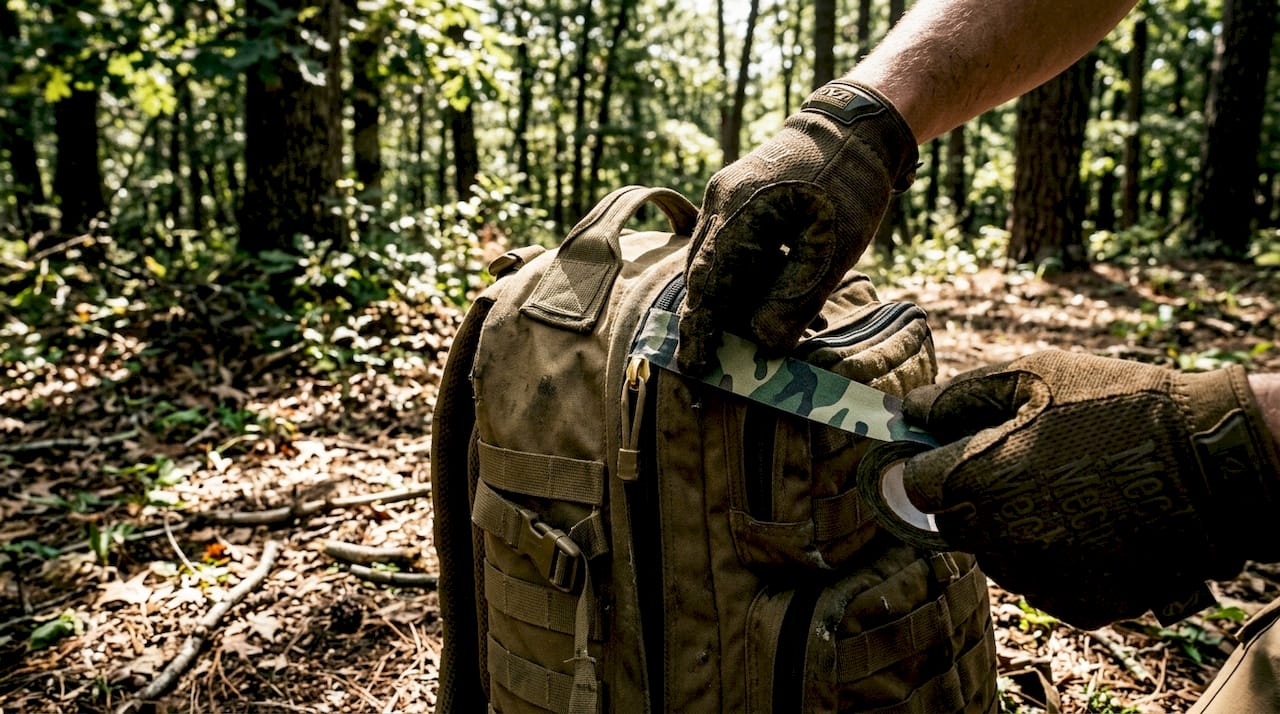
Wilderness camouflage is defined as the practice of controlling all detectable signatures, including visual, auditory, and olfactory cues, to reduce your presence in a natural environment. Most outdoor enthusiasts think camouflage means wearing a printed camo jacket. The reality is far more demanding. Effective wilderness camouflage requires managing seven primary factors, collectively called the 7 S’s: shape, shine, silhouette, shadow, sound, smoke, and movement. Mastering these factors is the difference between blending into the backcountry and standing out like a neon sign.
What is wilderness camouflage built on? The 7 S’s explained
The 7 S’s form the foundation of every effective concealment strategy in the field. Each one represents a detectable signal that wildlife, other people, or observers can pick up on. Miss even one, and the others lose much of their value.
Shape: Natural environments contain no perfect straight lines or symmetrical forms. Unnatural outlines, like the rectangular frame of a backpack or the round dome of a tent, immediately signal human presence. Breaking up your outline with irregular layers of clothing or natural materials solves this.
Shine: Reflected light from a watch face, a zipper, a phone screen, or even sunscreen on exposed skin can be visible from a long distance. Managing reflective surfaces is one of the most overlooked steps in camouflage preparation.
Silhouette: The human silhouette, especially the head and shoulders, is one of the most recognizable shapes in nature. Positioning yourself against a broken background, like a tree trunk or dense brush, prevents your outline from being read against open sky or water.
Shadow: Your shadow can reveal your position even when you are hidden. Moving in existing shadow, and understanding how your own shadow falls relative to the sun, keeps you from advertising your location.
Sound: Sound often reveals position before sight does. Rustling synthetic fabrics, loose gear clinking, and heavy footfalls carry far in quiet wilderness settings. Selecting quiet materials and securing all loose equipment before moving is non-negotiable.
Smoke: Campfire smoke is visible for miles and carries a distinctive scent. Cooking fires and signal fires are the two fastest ways to announce your location in the backcountry.
Movement: Sudden or unnatural motion triggers the peripheral vision of both animals and humans. Slow, deliberate movement that matches the rhythm of the environment is far less detectable than quick, jerky actions.
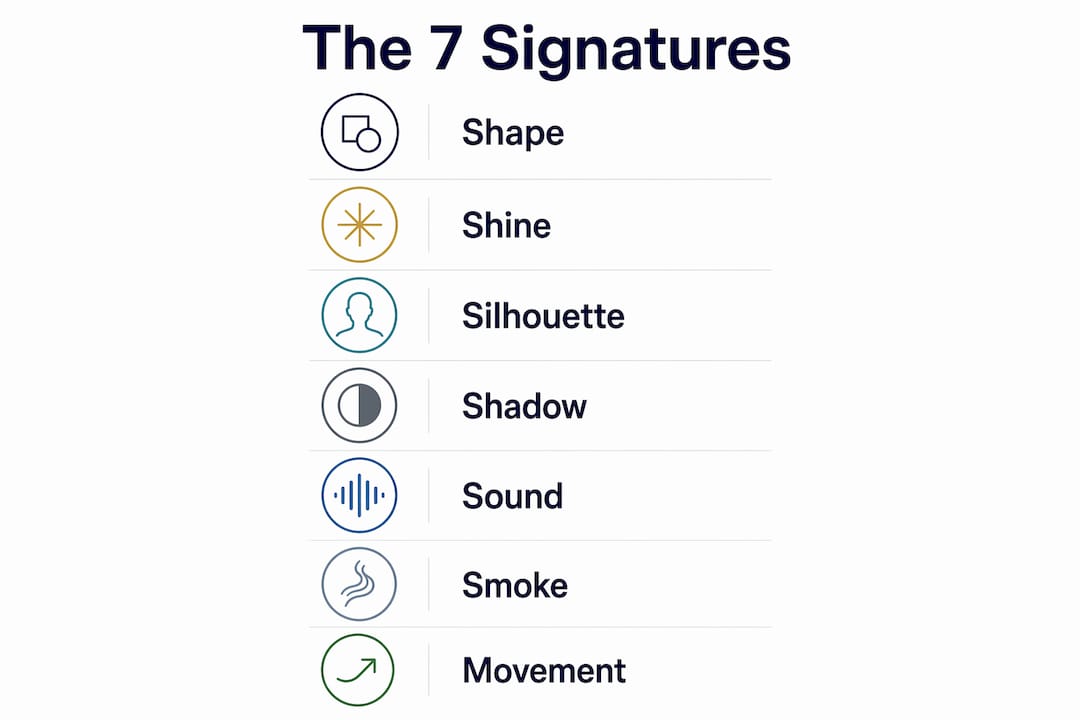
Pro Tip: Cover all reflective gear with matte tape or fabric before heading into the field. A single exposed zipper can catch sunlight and undo every other concealment effort you have made.
How do behavioral techniques enhance wilderness camouflage?
Clothing and gear matter, but behavior is what separates a skilled woodsman from someone who just looks the part. Behavioral camouflage delays recognition by observers and reduces detection probability more reliably than any fabric pattern.
Move slowly and rhythmically. Match the pace of the environment around you. On a breezy day, move when the wind moves the vegetation. On a still day, move as little as possible. Slow movement is far less detectable than fast movement at any distance.
Pause and scan regularly. Stop every few steps to observe your surroundings. This gives you time to assess threats and also reduces the motion signature you produce. Animals do this instinctively. You should too.
Use terrain and shadow. Move through existing shadows rather than across open, lit ground. Use tree trunks, boulders, and dense brush to break your silhouette as you travel. Never cross an open ridgeline when a lower route exists.
Control your sound discipline. Walk heel to toe on hard surfaces to reduce impact noise. Tighten every buckle, clip, and strap before moving. Avoid dry leaves and loose gravel when a quieter path is available.
Manage your scent. Wind carries human scent far ahead of your position. Move with the wind at your back when approaching wildlife or a concealed position. Avoid strong soaps, deodorants, and cooking smells before fieldwork.
Pro Tip: Before any movement, spend 60 seconds listening. Your ears will often detect threats that your eyes miss, and the pause itself reduces your motion signature to near zero.
What role does site selection play in wilderness camouflage?
Site selection is the single most important factor for effective concealment. Once you place a shelter or establish a camp, your silhouette, light exposure, and scent flow become fixed. Choosing the wrong location makes every other camouflage effort harder.
Experienced woodsmen favor reverse slopes and shaded depressions that naturally block silhouette and scent flow. A reverse slope is the side of a hill facing away from the most likely direction of observation. It keeps you below the skyline and channels scent downward rather than outward. Pairing this with dense overhead canopy eliminates most light signature problems automatically.
Avoid these site selection mistakes:
Skylining: Never set up on a ridgeline or hilltop where your outline is visible against the sky from multiple directions.
Open clearings: Clearings offer no overhead cover and expose you to aerial observation and direct sunlight.
Downwind positions near water: Water sources attract wildlife and people. Camping downwind of a trail or water source pushes your scent directly toward anyone approaching.
Bright or reflective terrain: Snow fields, sandy beaches, and open rock faces amplify light and make concealment nearly impossible without additional measures.
Site feature | Camouflage benefit |
Reverse slope | Hides silhouette, channels scent away from observers |
Dense canopy | Blocks aerial observation, diffuses light signature |
Shaded depression | Reduces shadow contrast, lowers heat signature |
Broken terrain | Disrupts outline, provides multiple cover positions |
Integrating natural materials into your site works best when you use what is already there. Scattered, irregular deadfall creates effective visual noise without disturbing the environment. Freshly cut green branches, by contrast, wilt quickly and look out of place within hours. The goal is to make your site look like it was never touched.
A well-chosen campsite setup does more concealment work than any amount of physical camouflage applied to a poorly chosen location.
What are the common misconceptions about wilderness camouflage?
The biggest mistake most outdoor enthusiasts make is treating camouflage as a clothing problem. Buying the right printed pattern feels productive. It is also the least impactful step you can take.
“The goal of wilderness camouflage is not invisibility but disrupting the detection chain to delay recognition and identification. Controlling shape, shine, and movement matters far more than matching the color of your jacket to the local foliage.”
Shine and straight lines are the most common reasons for detection in wilderness environments. A perfectly patterned jacket means nothing if you are carrying a shiny aluminum water bottle and moving in a straight line across open ground.
Black clothing is another widespread error. Black creates unnatural dark blobs in low-light settings that draw the eye rather than deflect it. Neutral, muted tones like coyote brown and olive drab blend far better with natural shadows and forest depths. Black belongs in urban environments, not the backcountry.
Seasonal and regional changes also catch people off guard. A woodland pattern that works perfectly in a green summer forest becomes a liability in the gray and brown of late autumn. Snow camouflage only works on clean, unbroken snow. Carrying a single fixed pattern for all conditions is a planning failure, not a gear failure.
How can you apply wilderness camouflage in real outdoor situations?
Applying these principles in the field requires preparation before you leave and discipline once you arrive. The steps below work for hunters, wildlife photographers, survival practitioners, and anyone who wants to move through the backcountry without disturbing it.
Prepare your gear and clothing. Choose matte fabrics in earth tones: olive drab, coyote brown, tan, and forest green. Cover all reflective hardware with matte tape. Remove or wrap anything that rattles, clinks, or catches light. Check your wilderness survival gear list against the 7 S’s before packing.
Plan your route with exposure in mind. Identify open ground, ridgelines, and water sources on your map before moving. Route around them when concealment is the priority. Move during low-light periods, like early morning and dusk, when shadows are longest and visibility is reduced.
Apply face and body camouflage correctly. Use matte face paint or natural materials like charcoal and mud to break up skin shine. Apply in irregular, asymmetric patterns. The human face has a recognizable structure; disrupting that structure is the goal, not just darkening the skin.
Set up camp with signature management in mind. Cook before dark so fire and smoke dissipate before nightfall. Use a small, contained fire or a shielded stove rather than an open campfire. Position your shelter on a reverse slope with overhead canopy. Read the shelter building guide for concealment-friendly construction techniques.
Adapt to changing conditions. Check your camouflage effectiveness at different times of day. A position that works at noon may be fully exposed at dawn when the sun angle changes. Reassess after weather changes, especially snow or rain that alter the color and texture of the environment around you.
Pro Tip: Photograph your campsite from 50 meters away. What you see in that photo is exactly what an observer or animal sees. It is the fastest way to identify signature problems you missed on the ground.
Key takeaways
Wilderness camouflage is a multi-sensory discipline requiring control of shape, shine, silhouette, shadow, sound, smoke, and movement, with site selection as the single most impactful factor.
Point | Details |
Master the 7 S’s | Control shape, shine, silhouette, shadow, sound, smoke, and movement to reduce all detectable signatures. |
Behavior beats patterns | Slow movement, pausing, and sound discipline reduce detection more reliably than any clothing pattern. |
Site selection is first | Choose reverse slopes and shaded terrain before applying any physical camouflage. |
Avoid black and shine | Use matte earth tones; black and reflective surfaces draw attention in natural settings. |
Adapt to seasons | Match your camouflage approach to current environmental conditions, not a fixed pattern. |
What I have learned from years of watching people get camouflage wrong
Most outdoor enthusiasts spend real money on printed camo gear and almost no time thinking about how they move. I have watched hunters in full woodland pattern walk straight across an open ridgeline at noon and wonder why the deer spooked 300 meters out. The pattern was fine. The silhouette was the problem.
The insight that changed how I approach concealment is this: the goal is not to be invisible. It is to delay recognition long enough that the animal or observer moves on without identifying you as a threat. That shift in thinking changes everything. You stop obsessing over pattern matching and start obsessing over how you move, where you stop, and what your shadow is doing.
Site selection is the one factor I would tell every outdoor enthusiast to prioritize above all else. A mediocre shelter in a well-chosen location beats a perfect shelter on an exposed ridgeline every single time. The terrain does most of the work for you when you let it.
The other thing worth saying plainly: sound discipline is underrated. Synthetic fabrics swish. Loose buckles rattle. Boots crunch. Animals hear all of it long before they see you. Fixing your gear before you move costs nothing and pays off every time.
Balancing Leave No Trace principles with effective concealment is also real. You do not need to strip a forest floor to hide yourself. Use what has already fallen. Deadfall, shadow, and terrain are enough when your site choice is sound. The best camouflage leaves no trace because it uses what is already there.
— S
Thrillofit resources for building your camouflage and survival skills
Thrillofit covers the full range of wilderness skills that complement what you have read here, from site selection and shelter building to gear preparation and field safety.

The Thrillofit survival guides go deeper on topics like reading terrain, managing wilderness emergencies, and choosing gear that works across seasons. If you are building a serious outdoor skill set, the camping first aid essentials guide is a natural next step alongside your camouflage practice. Preparedness and concealment go hand in hand in the backcountry. Thrillofit gives you the practical knowledge to develop both.
FAQ
What is the purpose of camouflage in the wilderness?
The purpose of wilderness camouflage is to disrupt the detection chain by controlling visual, auditory, and scent signatures, delaying recognition rather than achieving full invisibility. It applies to hunting, wildlife observation, survival situations, and backcountry travel.
What are the best camouflage patterns for outdoor use?
No single pattern works in all environments. Earth tones like olive drab and coyote brown perform well across most temperate settings, while seasonal changes require adapting your pattern to match current conditions.
How do you blend in with nature without special gear?
Behavioral techniques like slow movement, pausing regularly, using existing shadows, and controlling sound are more effective than clothing alone. Natural materials like deadfall and mud can supplement gear when used correctly.
Does black clothing work for wilderness camouflage?
Black clothing is counterproductive in most wilderness settings because it creates unnatural dark shapes that draw attention. Muted, neutral tones blend far better with natural shadow and forest depth.
Why is site selection more important than camouflage clothing?
Site selection fixes your silhouette, light exposure, and scent flow for the duration of your stay. A well-chosen location with natural cover provides concealment that no amount of clothing or physical camouflage can replicate on a poorly chosen site.
Recommended
Comments