

30 Foot Rule: U.S. Alligator Safety and Field Ready Survival Tips
- Wesley Coldwell
- 2 hours ago
- 10 min read

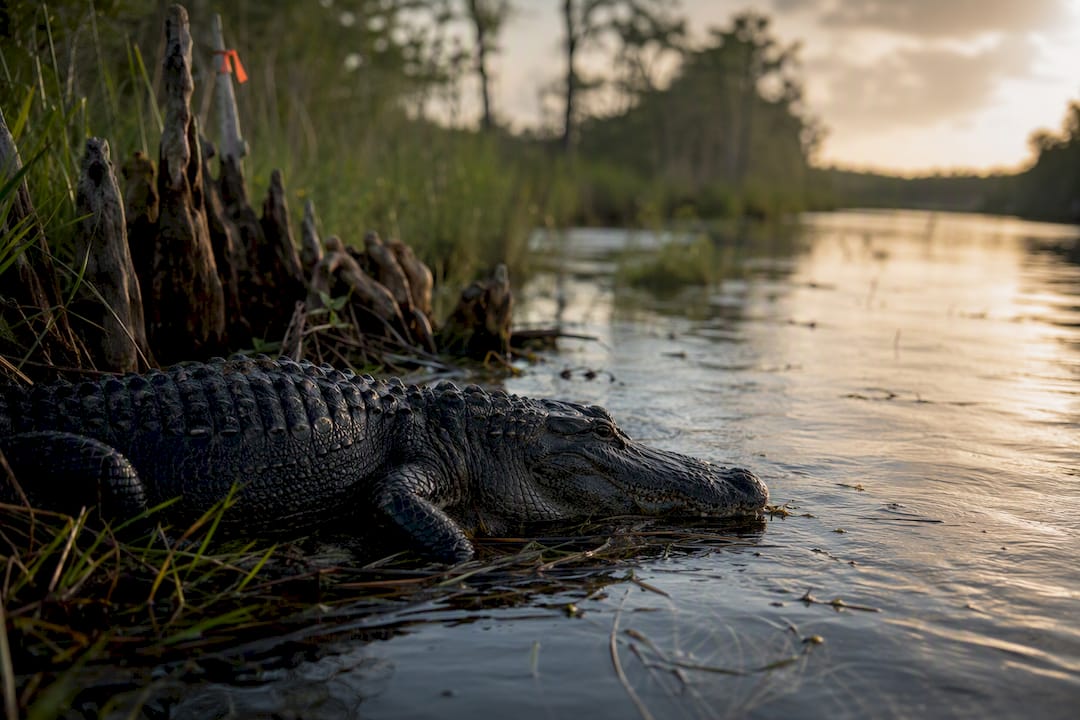
Keep at least 30 feet between you and any alligator, never feed or bait one, and pull children and pets back from the water’s edge. If an alligator ever moves toward you, back away slowly rather than running. If one grabs you, fight back hard and go straight to a hospital afterward, since bites almost always carry infection risk.
TL;DR:
Stay at least 30 feet away from alligators and water edges, avoid feeding or baiting them, and keep pets leashed and away from shoreline areas.
Most alligator encounters end without attack if you remain calm, watch for warning signs like hissing or open-mouth threats, and react appropriately.
Children should be supervised within arm’s reach, and pets must be kept on short leashes or away from water to prevent accidental captures.
Report any alligator that approaches, lingers, or shows no fear of humans, providing specific details and calling emergency services if there’s an immediate danger.
Avoid water activities during dusk or dawn when alligators are most active, and set up camps or picnics at least 30 feet from water to reduce risk.
Table of Contents
Alligator Safety Tips: The Dos and Don’ts Checklist
Wildlife agencies in gator country have spent decades refining a short list of behaviors that keep people, pets, and alligators apart. The rules below come straight from state guidance, and they work because they’re simple enough to actually remember on a hot afternoon at the lake.
Stay at least 30 feet from the water’s edge and from any alligator you spot, even a small one basking in the sun.
Never feed an alligator, and never toss fish scraps into the water. That habit trains gators to associate people with food, and it’s illegal in most states where alligators live.
Swim only in posted, designated areas, and only during daylight. Alligators feed most actively between dusk and dawn, according to Texas Parks & Wildlife’s safety guidance, so twilight dips are a bad idea even in familiar water.
Keep dogs and other pets on a reasonably short leash, well back from shorelines. Never let a pet swim in a pond, canal, or lake you don’t know to be gator-free.
Never approach, harass, or attempt to move an alligator, no matter how still it looks. If you see someone else doing it, or notice a gator that seems unusually bold around people, tell a park ranger or wildlife officer.
Pro Tip: Alligators can go months without eating a full meal, so a “skinny-looking” or lazy gator isn’t a safe one. Body condition tells you nothing about how it will react if you get close.
Fish scraps deserve their own mention because so many anglers get this wrong. Dumping bait or cleaned fish into the water isn’t “giving back to nature.” It’s the same as hand-feeding, and it’s how docks and boat ramps end up with a resident gator that eventually has to be trapped and killed.
What to Do If an Alligator Approaches or Charges You
Most alligator encounters end the moment the animal realizes you’re not prey and not a threat. Reading the early signs and reacting calmly is what actually prevents an alligator attack.
Watch for warning signals. Hissing, an open mouth, or a slow head slam against the ground means the gator wants space. Back away slowly, keep your eyes on it, and don’t turn your back.
If it lunges, run for real cover, not just distance. Alligators can sprint explosively, but only for about 30 feet before they tire. Get behind a tree, a car, or a fence rather than trying to outrun it in the open.
If it grabs you, fight instead of freezing. Strike the snout, gouge at the eyes, or go for the throat, and make as much noise as possible. UF/IFAS Extension notes that fighting back is what actually prompts an alligator to release its grip, since the animal isn’t built for prolonged combat.
Skip the DIY heroics. No firearm or homemade deterrent replaces a trained wildlife officer. Removal and control are jobs for the professionals state agencies dispatch, not for a bystander with a pocketknife.
Alligator attacks on people are genuinely rare. Florida logs an average of unprovoked bites serious enough to need medical care in a typical year, out of a state with well over a million alligators and millions of residents sharing the same waterways.
Protecting Children and Pets Near Alligator Water
Kids and dogs get hurt far more often than adults in alligator encounters, and it’s almost always a supervision gap rather than bad luck.
Keep children within arm’s reach any time you’re near a pond, canal, or lake edge, even one that looks calm and shallow.
Leash pets at 6 feet or shorter and keep them away from the shoreline entirely. A small dog moving near water reads as prey to a hunting alligator.
Never let pets swim in water you can’t verify is alligator-free, no matter how many times they’ve swum there before.
If a pet gets grabbed, don’t jump in after it. Call wildlife authorities immediately. Going in yourself usually turns one emergency into two.
When traveling with young kids or pets, check ahead and route your outing around known gator habitat rather than hoping for the best.
Reporting a Nuisance Alligator and Understanding the Law
Feeding a wild alligator isn’t just risky, it’s against the law in most states where they live, and for good reason. A fed alligator loses its natural wariness of people, which is exactly the behavior that gets it labeled a “nuisance” and eventually removed. In Texas, feeding an alligator is a Class C misdemeanor carrying fines up to $500. Florida runs the Statewide Nuisance Alligator Program specifically to handle animals that have lost their fear of humans, and most gators trapped through that program don’t survive the process.
Report an alligator that approaches people, lingers near a swim area, or shows no fear of humans.
Give the exact location, an estimated size, and a description of its behavior when you call.
For immediate danger to a person or pet, call 911 and alert park staff on site.
For non-emergencies, Florida residents can reach the FWC’s nuisance alligator hotline at 866-FWC-GATOR (866-392-4286).
Medical Care After an Alligator Bite
An alligator’s mouth carries a heavy load of bacteria, which means even a “minor” bite is a medical event, not a bandage-and-move-on situation.
Control major bleeding first, keep the airway clear, and get emergency care immediately for any serious bite.
Expect antibiotics. Medical teams treating alligator bites commonly prescribe them by default because infection risk runs high, and they’ll usually check your tetanus status too.
For a small puncture or scrape, clean it and cover it, but still get it looked at fast. What looks minor on the surface can seed a deep infection.
Thrillofit’s camping first aid kit guide covers the wound-care supplies worth carrying on any trip near gator water, and the snake bite survival guide walks through similar bleeding-control and evacuation basics that apply here too.
Field-Tested Prevention Habits From Thrillofit
Good alligator safety starts before you ever reach the water. A few habits from the trail make the difference between a relaxed outing and a close call.
Check local wildlife advisories, pick a posted swim area, and map an exit route before you head out.
Pack a headlamp, a whistle, a short pet leash, trash bags for fish waste, and a way to call for help.
Skip close-up shoreline photography, cut back on water activity late in the day, and keep fishing spots clean of bait and scraps.
A bright light and a whistle on late-afternoon shoreline walks does double duty: it makes you more visible to wildlife and lets you signal others fast if something goes wrong.
Pro Tip: Pair this with the site’s wildlife encounter guidelines for a broader checklist that covers more than just gators, since the same habits reduce risk with bears, snakes, and other wildlife too.
Camping and Picnicking Near Alligator Habitat
Setting up camp near a lake or slow-moving river means alligators are neighbors, not a rare sighting. Pitch tents and set up picnic tables at least 30 feet back from the water, and never camp directly on a low bank or sandbar where a gator could climb out unnoticed overnight.
Store food, coolers, and any fish you’ve caught away from your sleeping area, and never clean fish at the water’s edge where the smell and scraps draw attention. Wash dishes and dump gray water well away from the shoreline. If you’re cooking bacon or anything greasy near a lake campsite, that scent travels, and a curious gator investigating a campsite at 2 a.m. is a bad surprise for everyone involved.
Kids playing near a campsite pond need the same arm’s-reach supervision rule that applies at any swim area. Dogs off-leash at a campground are a classic setup for a bad encounter, since a barking, splashing dog near the water reads exactly like prey behavior to a hunting alligator. If you spot a slide mark, a nest mound, or fresh tracks anywhere near your chosen site, move camp rather than risk a night next to an active alligator territory.
Recognizing Alligator Habitat and Signs They’re Nearby
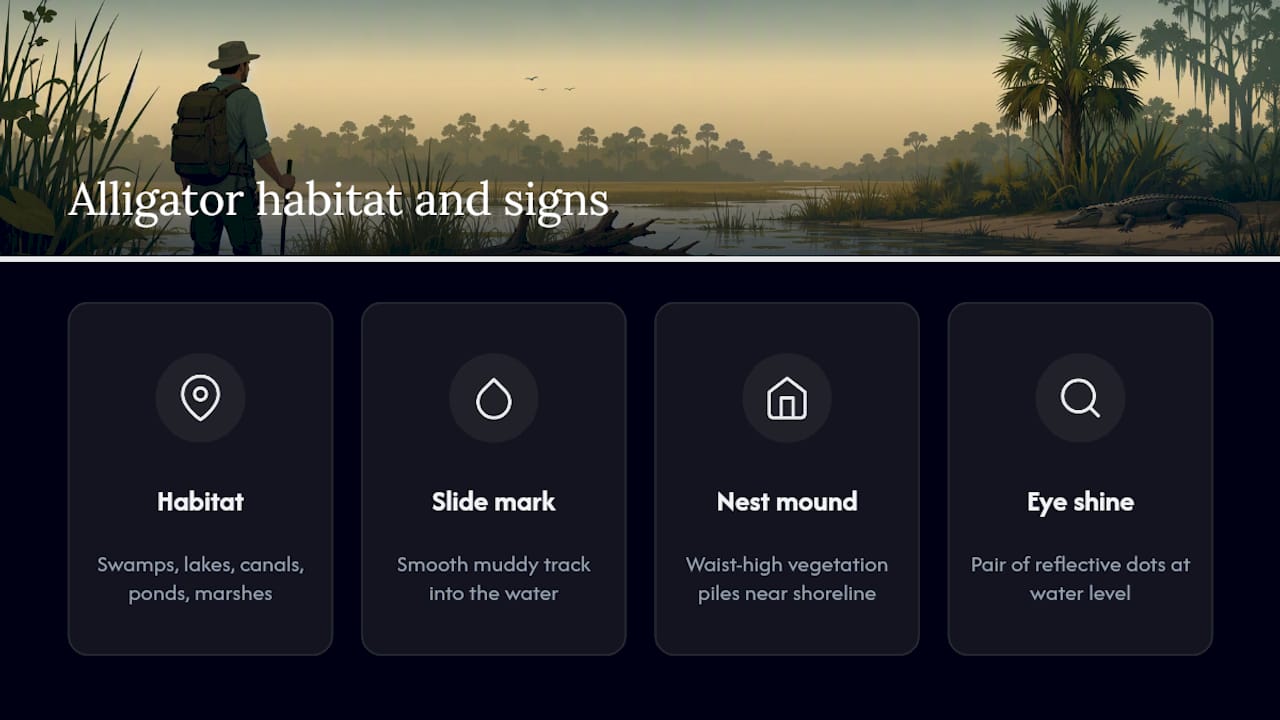
Alligators live in freshwater and brackish habitats across the southeastern United States, from the swamps of Louisiana to the lakes and canals of Florida and the wetlands of coastal Texas, Georgia, South Carolina, and North Carolina. Slow-moving rivers, marshes, retention ponds, golf course water hazards, and drainage canals all qualify as potential gator habitat, even ones that look landscaped and tame.
A few field signs tell you an alligator has been around recently. A slide mark, a smooth muddy track leading from the bank into the water, means a gator has been hauling out to bask. Nest mounds, roughly waist-high piles of vegetation near the shoreline, usually mean a female is nearby and defensive, especially from late spring through summer. Eye shine at night from a flashlight or headlamp beam, a pair of reflective dots at water level, is one of the clearest signs an alligator is watching from the water. Even a still, glassy pond in gator country deserves the same caution as one with obvious activity, since alligators spend most of their time submerged and motionless.
Alligator Behavior Through the Seasons
Alligator activity isn’t constant year round, and knowing the pattern helps you judge risk more accurately than a blanket “always be careful” rule. Alligators are cold-blooded, so their activity tracks water temperature closely. In cooler months, roughly November through February across most of their range, alligators slow down dramatically and spend long stretches basking or resting in burrows called gator holes.
Activity ramps up sharply starting in spring. Mating season runs from around April through June, and that period brings noticeably more movement, more territorial displays, and more males roaming between water bodies looking for mates. Nesting season follows through the summer, and a female guarding a nest near a trail or dock is one of the more dangerous encounters you can have, since she’ll defend that mound aggressively against anything that gets close. As covered earlier, alligators also shift toward dawn and dusk feeding regardless of season, which is exactly why swim timing matters as much as swim location.
Boating and Kayaking Safety in Alligator Waters
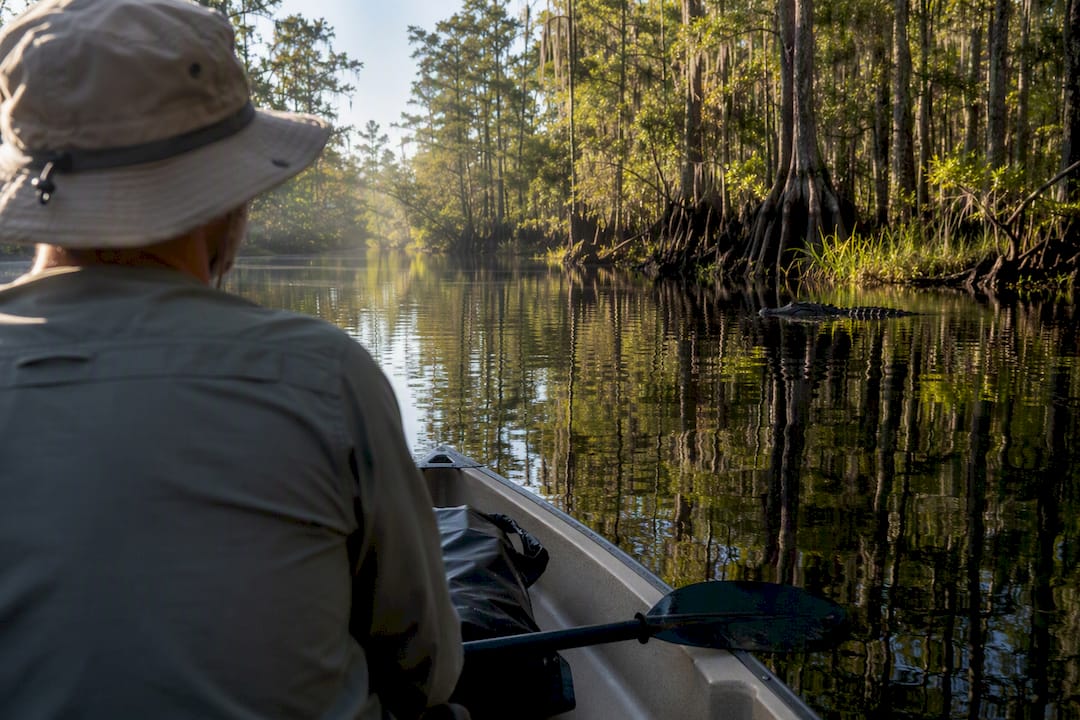
Paddlers and boaters face a different set of risks than swimmers, mostly centered on low freeboard and close contact with the waterline. A kayak or canoe sits low enough that a curious alligator can be at eye level, and that proximity alone unnerves a lot of first-timers even though actual boat-related incidents are uncommon.
Keep hands, feet, and paddles inside the boat rather than trailing them in the water, especially in areas with known gator activity. Avoid paddling at dawn or dusk in alligator habitat, the same low-light window that applies to swimming. Never paddle directly toward a basking alligator to get a closer look or a better photo. If one submerges as you approach, give the area a wide berth rather than continuing on the same line, since you’ve lost track of where it’s headed. Anglers fishing from a boat should keep the same no-scraps rule that applies on shore: bag fish waste and bring it back to dispose of properly rather than tossing it overboard. A stable, wider kayak or canoe designed for calm water reduces the odds of a capsize that would put you directly in the water with wildlife you can no longer see. Thrillofit’s guide to wilderness swimming gear covers picking the right setup for these conditions.
Balancing Adventure and Caution on the Water
Alligators have shared these waterways with people for longer than any of us have been paddling them, and the goal here was never to scare anyone off the water. It’s to make the handful of habits that actually matter, distance, timing, and calm reactions, feel automatic rather than intimidating.
Most of what keeps people safe boils down to a handful of boring, repeatable choices, not heroics in the moment. Learn these rules once, pass them on to whoever you’re camping or fishing with, and the water stays exactly as enjoyable as it should be.
— S
Where to Find More Outdoor Safety Guides
Thrillofit builds practical, field-tested guides for exactly this kind of situation, the moments where knowing one extra fact changes the outcome of a trip. Whether you’re planning a lake weekend with the family or a solo paddle through backcountry wetlands, having the right prevention habits and first-aid basics on hand beats improvising after something’s already gone wrong.
Beyond alligator country, Thrillofit covers wildlife encounters, first-aid kits, and trip prep for the full range of outdoor situations you might run into. Head to the Thrillofit home page to browse the full library of survival and preparedness guides before your next trip out.
This article is general information, not a substitute for advice from a qualified doctor. Consult a qualified healthcare professional about your own circumstances before acting on anything here.
Sources
Recommended
Comments