

Char Cloth Making for Outdoor Enthusiasts: A Field Guide
- Wesley Coldwell
- 11 minutes ago
- 6 min read

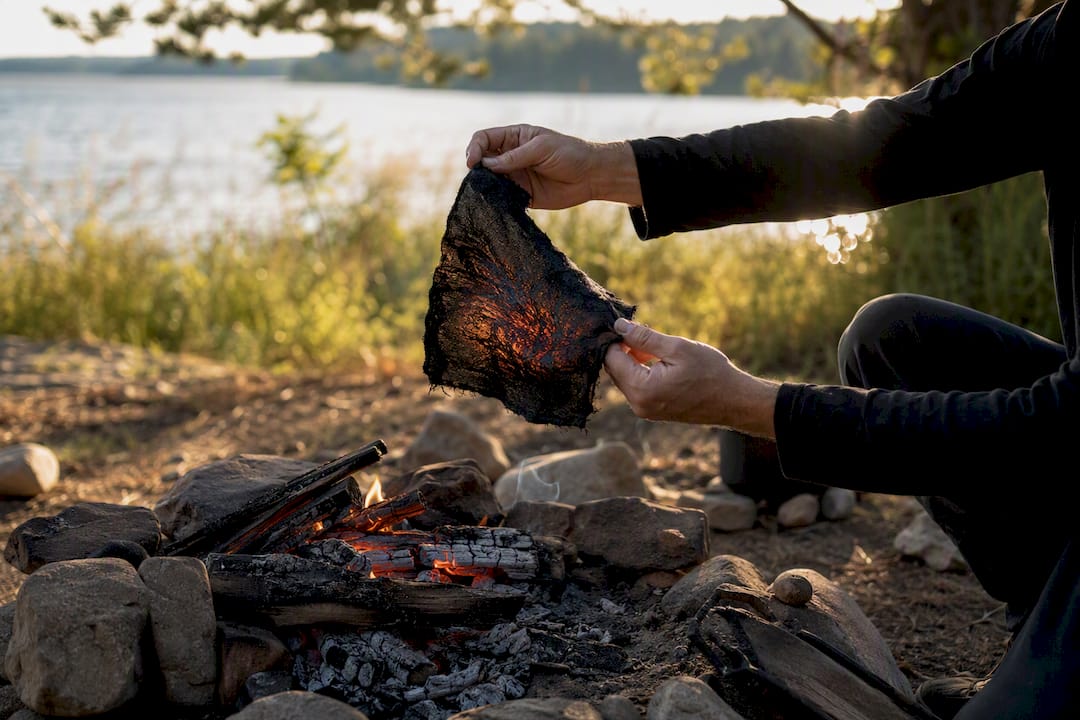
Char cloth is cotton fabric heated in a low oxygen environment until it turns to pure black carbon, and it catches a single spark and holds it as a glowing ember rather than letting it die out.
Key Takeaways
Point | Details |
Use pure cotton only | Denim, bandannas, and cotton T-shirts char cleanly; synthetics melt or turn sticky. |
Coals beat open flame | Placing the tin on hot coals gives even heat and avoids burning through the container. |
Watch the smoke, not the clock | Smoke thinning and fading from the vent hole signals doneness better than a fixed timer. |
Cool before opening | Opening a hot tin early can reignite the contents; wait until it’s fully cool. |
Diagnose failures by color | Brown means undercooked, ash means overcooked, sticky means synthetic or treated fabric. |
Table of Contents
What Materials Work Best for Char Cloth Making?
Old blue jeans, cotton bandannas, worn out T-shirts, and cotton canvas scraps all char beautifully. Skip anything with polyester blends, spandex, or synthetic fibers. These melt into a gummy mess instead of carbonizing cleanly, and treated outdoor clothing sometimes carries permethrin or other insect-repellent finishes that release unpleasant fumes when scorched.
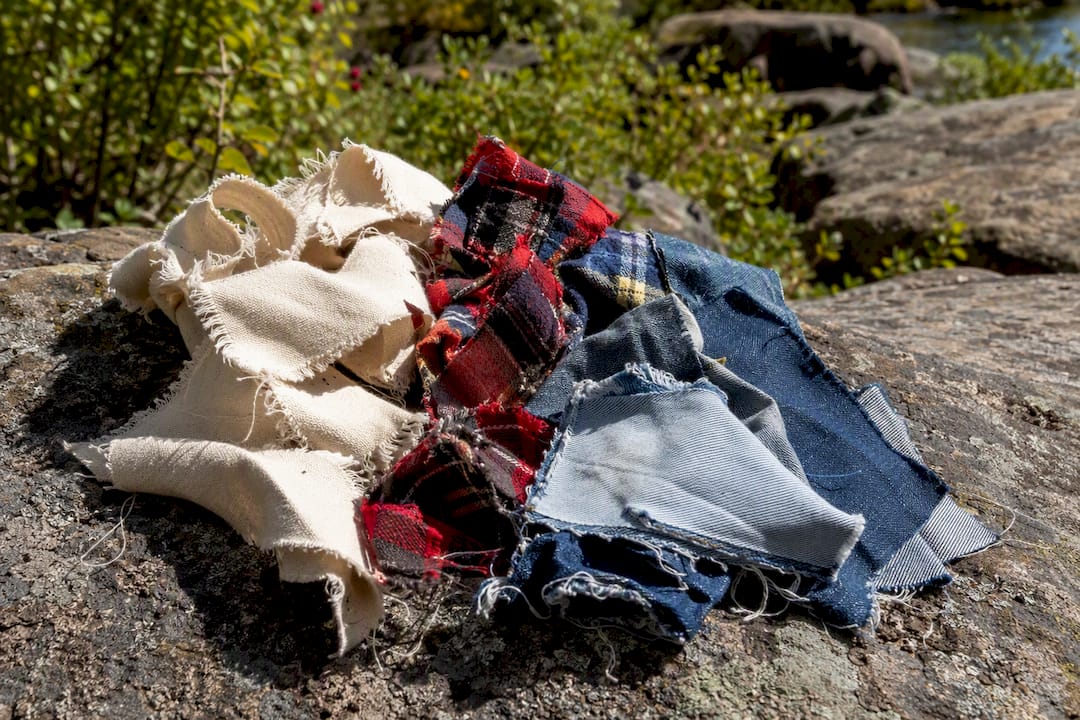
Pro Tip: Loosely woven fabric like flannel or worn denim chars faster and more evenly than tight, dense weaves like canvas duck, since the looser weave lets heat penetrate the fibers without needing as much time on the coals.
Sticking to 100% plant-based fibers is the single biggest factor separating a good batch from a wasted one.
How Do You Make Char Cloth Step by Step?
Three methods cover almost every situation you’ll face, from a backcountry campsite to your own backyard.
Char tin on coals (the field standard)
Cut cotton into 2 inch squares and layer them loosely in the tin, filling it to roughly 75% capacity so heat reaches every piece.
Punch or poke a small hole in the lid, about the size of a pencil eraser.
Set the tin on the edge of hot coals, not in open flame. Coals give even, steady heat and reduce the risk of burning through the tin.
Watch the vent hole. Thick white or yellow smoke will stream out for roughly about a quarter of an hour to a little under half an hour, then thin and fade.
Pull the tin off the coals with tongs once the smoke dies down, and leave it sealed to cool completely before opening.
Campfire jar or tin method
Same principle, different container. A small paint can or Altoids tin works if you don’t have a purpose-built char tin. Nestle it into the coals at a fire’s edge rather than the hottest part of the flame, since a slower burn produces more consistent results.
Oven method (controlled, backyard only)
Set your oven to 400°F, place cotton squares in a vented tin on a baking sheet, and check every 15 minutes. This method takes longer than coals, usually 30 to 45 minutes total, but gives you far more control over even charring since the heat surrounds the tin instead of hitting one side.
Use the tin-on-coals method in the field, the oven method at home when you want a controlled test batch, and the jar method whenever you’re improvising with whatever container is on hand.
Pro Tip: Never open a hot tin to check progress. Letting the tin cool fully before opening prevents the residual heat and trapped gas from causing the cloth to burst into flame the instant fresh oxygen hits it.
How Do You Test and Use Char Cloth?
A finished piece should be solid black, still flexible, and hold together without crumbling. If it glows where a spark lands, it’s ready.
Strike your flint and steel, ferro rod, or lighter spark directly onto the char cloth’s surface.
Watch for a small orange glow that spreads slowly outward rather than flaring and dying.
Nestle the glowing cloth into the center of a dry tinder bundle, wrapping dried grass, cedar bark, or dryer lint loosely around it.
Cup the bundle in both hands and blow steady, gentle breaths until it bursts into flame.
Do:
Store char cloth in a sealed, dry tin or bag.
Carry a small dedicated pouch when heading into the field, a tip that pairs well with any beginner fire safety kit.
Don’t:
Pack your tinder bundle so tight that airflow gets choked off.
Leave char cloth exposed to humidity, which ruins its ability to hold a spark.
Pro Tip: Keep only a few pieces on hand at a time rather than a bulky stash. Smaller quantities dry out faster if they get damp and are easier to fit alongside cordage and other kit essentials.
What Safety Precautions Should You Follow?
Char cloth production isn’t dangerous when you follow a few basic rules, but skipping them leads to burns, house fires, or a lungful of smoke you didn’t need to breathe.
Work outdoors, never in a garage or kitchen with poor airflow.
Keep the tin lid closed throughout the entire charring process.
Use tongs to move the tin, never your bare hands.
Let the tin cool fully before opening it.
Never char fabric you suspect has been treated with firee retardants or insect repellents.
Producing char cloth releases smoke and oily residue that can leave lingering odors indoors for days. Treat it the same way you’d treat welding or soldering—outside, ventilated, away from anything flammable.
For a broader rundown on managing coals and campfiree setups safely, see our campfire cooking guide.
Why Did Your Char Cloth Batch Fail?
Most failures trace back to one of three causes: too much oxygen, too much heat, or the wrong fabric.
Cloth turned to ash or crumbles apart: Too much oxygen got in, or it sat on the coals too long. Shorten your next batch’s time and check your vent hole isn’t too large.
Cloth is brown, not black: Undercooked. Give it another 5 to 10 minutes on the coals.
Cloth is sticky or tarry: Likely synthetic content or a treated fabric snuck into the batch, or the fabric never got hot enough to fully carbonize.
No ember forms when struck: The piece may be damp, or it wasn’t fully charred through. Test a small sample before committing your whole batch to a tinder bundle.
Pro Tip: A marginal batch isn’t necessarily a lost one. Dry out damp pieces near (not on) a heat source, then run a second short charring cycle to finish carbonizing anything that came out brown.
Why Does Char Cloth Actually Hold an Ember?
The transformation happening inside that tin has a name: pyrolysis, the thermochemical breakdown of organic material at high heat with little or no oxygen present. Instead of burning away, the cotton’s cellulose structure collapses into a lattice of nearly pure carbon.
That carbon structure has a low ignition point and burns without a flame, smoldering slowly instead of flaring up. That’s what makes char cloth a bridge between a fleeting spark and a sustained ember you can actually work with.
A single spark from steel striking flint carries barely enough heat to ignite raw tinder directly. Char cloth’s carbon lattice catches that spark and holds it, giving you time to build a flame instead of losing the moment.
A Field Note on What Actually Works
Coals beat open flame every time I’ve compared them side by side. The heat is gentler and more even, and you don’t risk burning through a thin tin the way you can over a roaring firee. Keep a small tin of finished char cloth in every kit you pack, dry, sealed, and ready before you ever need it.
Frequently Asked Questions
Can you make char cloth without a metal tin? Yes, a small can or improvised metal container with a punched vent hole works fine, as long as it seals well enough to limit airflow during charring.
How long does homemade char cloth last in storage? Stored dry and sealed, char cloth stays usable indefinitely. Moisture is the only real threat, so keep it in an airtight tin or a zip bag with a moisture absorber.
Is char cloth better than commercial firee starters? Char cloth pairs specifically with flint and steel or a ferro rod spark, giving you a lightweight, reusable option that doesn’t rely on lighter fluid or matches running out.
Can I use paper towels or newspaper instead of cotton? No. Paper products burn away too fast and don’t carbonize into a stable ember the way woven cotton fibers do.
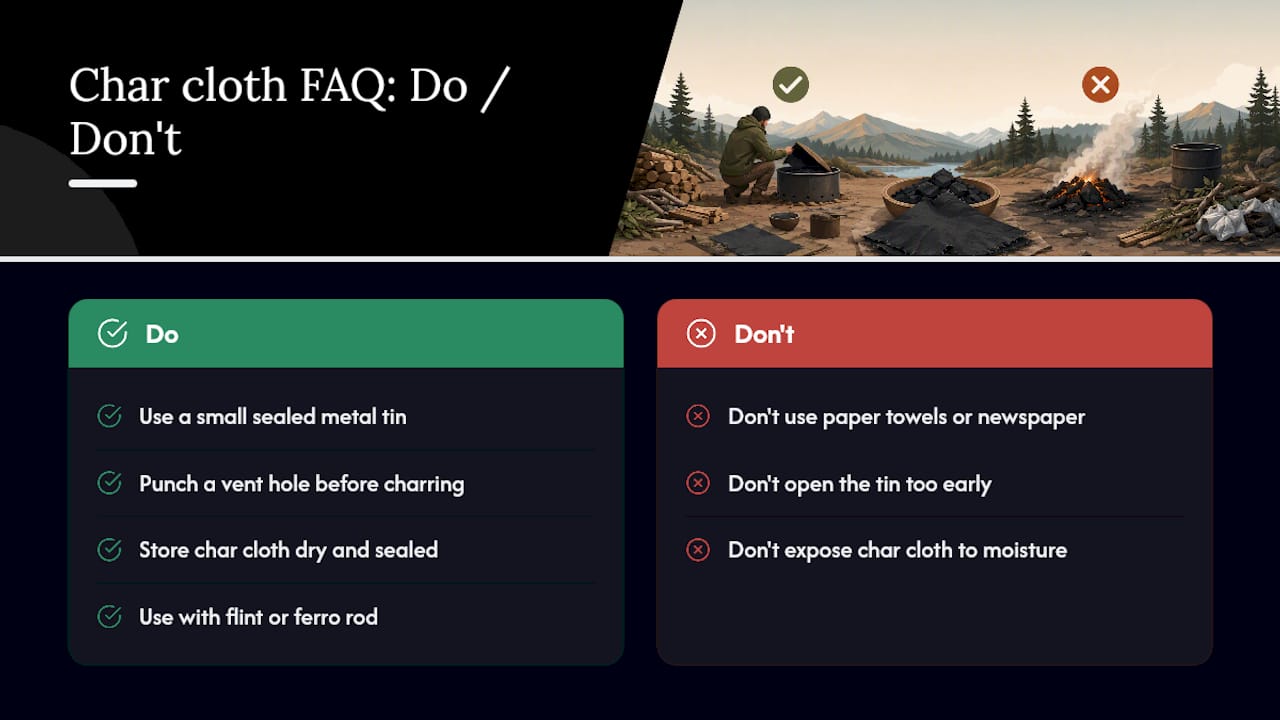
What’s the biggest mistake beginners make? Opening the tin too early to check progress. That fresh burst of oxygen can ignite the half-charred cloth instantly, ruining the batch and risking a burn.
Sources
Recommended
Comments