

What Is Wilderness Self-Reliance: Skills and Mindset

TL;DR:
Wilderness self-reliance depends on mastering key survival skills, mental control, and regular practice before emergencies. Prioritizing shelter, fire, water, navigation, and first aid aligns with survival timeframes and safety. Building confidence involves testing gear, practicing skills in adverse conditions, and maintaining a calm, deliberate mindset.
Wilderness self-reliance is defined as the ability to depend on your own skills, knowledge, and mindset to survive safely in the wild without outside help. The Rule of Threes frames every survival priority: you have roughly 3 minutes without air, 3 hours without shelter in extreme cold, 3 days without water, and 3 weeks without food. Those timeframes tell you exactly what to fix first. Wilderness self-reliance is not about toughness or gear collection. It is a practiced combination of prioritized survival skills and deliberate mental control that keeps you alive when conditions turn against you.
What is wilderness self-reliance built on: the essential survival skills
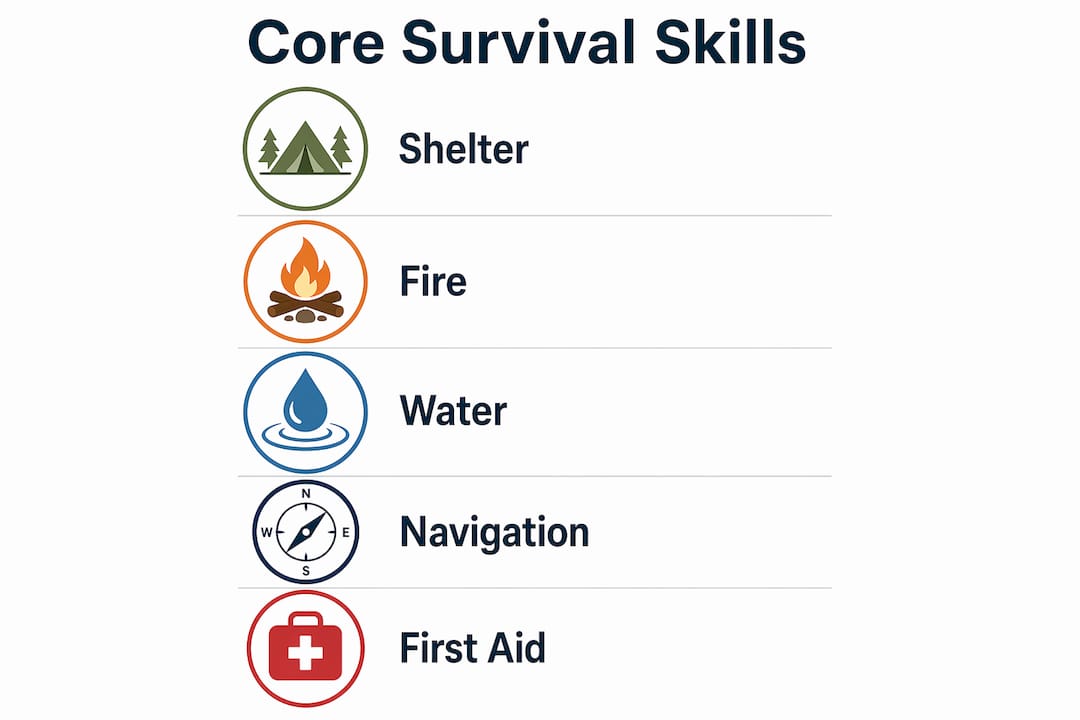
Five core skills form the foundation of self-reliance in nature. Master these in order of urgency, and you cover the most life-threatening risks any outdoor environment can throw at you.
Shelter building
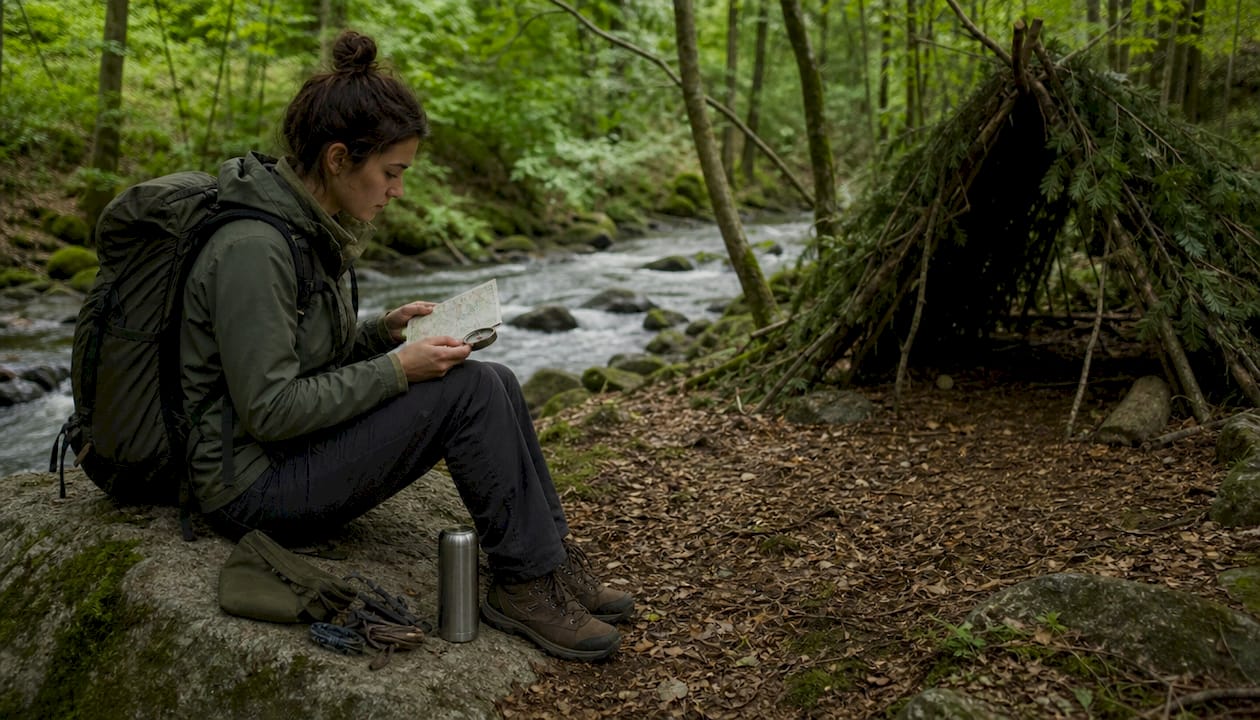
Shelter is the first priority because exposure kills faster than thirst or hunger. In extreme cold or wet conditions, hypothermia can set in within hours. A well-built emergency shelter traps body heat and blocks wind, buying you time to address every other need. A simple debris hut or tarp lean-to built correctly outperforms an elaborate structure built slowly under stress.
Fire-making
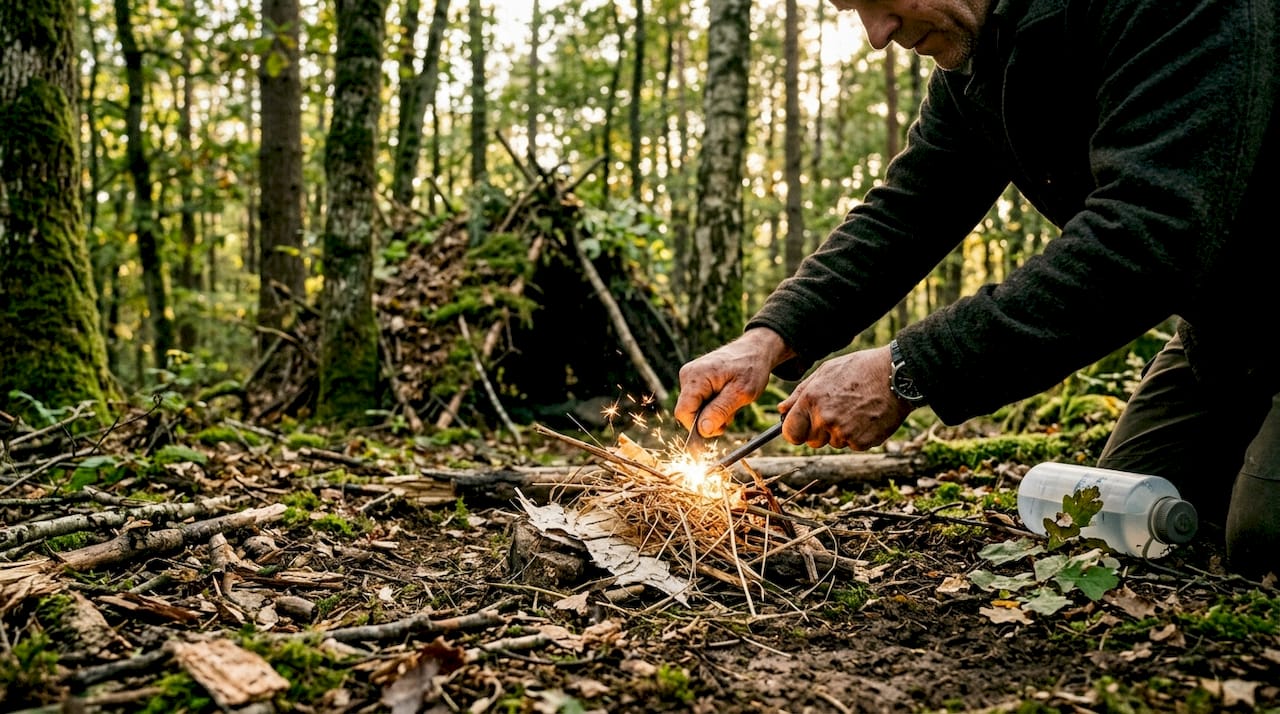
Fire serves four functions: warmth, water purification, signaling, and morale. Fire-making success reaches 90% after just 4–8 hours of deliberate practice. That number drops sharply when you have never practiced in wet or windy conditions. Learning to start a fire without a lighter is a skill that must be repeated until it becomes automatic, not just understood in theory.
Water procurement and purification
Water procurement knowledge yields a 98% success rate when properly trained. That figure reflects how learnable this skill is, not how easy it is to improvise. Sourcing water from moving streams, collecting rain or dew, and purifying with boiling or chemical tablets are the three methods every self-reliant outdoorsperson must know cold.
Navigation
Navigation mastery using a map and compass reaches about 85% reliability in field conditions. GPS devices fail when batteries die or signals drop, so map and compass skills are non-negotiable. Terrain awareness, reading ridgelines, and tracking your position relative to water sources all reduce the chance of becoming truly lost.
First aid
Basic first aid requires at least 16 hours of training to be effective in real emergencies. Knowing how to treat wound infection, manage sprains, recognize hypothermia, and handle a camping first aid situation can be the difference between a manageable setback and a fatal one.
Build shelter before dark, not after
Carry a fire starter and know two backup methods
Never drink unfiltered water, regardless of how clear it looks
Practice compass navigation on every hike, not just when lost
Keep a basic med kit and know how to use every item in it
Pro Tip: Practice each of these five skills in adverse conditions at home before you need them in the field. Wet matches, cold fingers, and fading light are the real test.
How does mindset and energy management shape survival outcomes?
The will to survive accounts for approximately 80% of success in a wilderness emergency. That statistic reframes everything. Physical fitness matters far less than mental control when you are lost, cold, and running low on food.
Panic is the single greatest threat to survival. It drains energy rapidly and produces poor decisions under pressure. A panicked person burns calories, makes noise, moves without direction, and ignores obvious solutions. Staying calm is not a personality trait. It is a practiced skill, built through repeated exposure to controlled stress.
“Self-reliance means regulating energy and decisions, not physical toughness. Experienced solo trekkers walk slower, rest earlier, and avoid pushing to failure.”
Energy conservation is the practical expression of that mindset. Pushing hard until you collapse is the opposite of self-reliance. Pacing yourself, resting before exhaustion, and making decisions while you still have mental clarity are the habits that keep you functional over days, not just hours.
The solitude mindset determines whether time alone in nature builds resilience or triggers anxiety. Outdoorspeople who approach solitude intentionally, as a chosen condition rather than an unwanted one, develop stronger situational awareness and calmer responses to setbacks. Those who fear solitude tend to rush, make noise, and exhaust themselves.
Practical mental strategies that work in the field:
Set small, achievable goals: find water, then shelter, then fire
Talk through decisions out loud to slow your thinking down
Use rhythmic breathing to interrupt a panic response
Accept discomfort as temporary and manageable, not catastrophic
Rest deliberately every 45–60 minutes, even when you feel fine
What practical steps build real wilderness self-reliance?
Structured training is the fastest path to genuine outdoor self-sufficiency. A typical wilderness self-reliance course in 2026 runs about two days with 16–20 hours of instruction and costs around $275. That curriculum covers emergency shelter construction, water procurement, and navigation, giving you a tested baseline before you ever face a real emergency.
Training alone is not enough. You must test your gear and skills before an emergency forces you to rely on them.
Run a gear audit before every trip. Use every item in your pack at home or on a day hike. Identify what you do not know how to use.
Practice fire-making in wet conditions. Dry-weather fire skills do not transfer to rain. Wet wood, wet tinder, and cold hands are the real scenario.
Navigate without electronics on familiar trails. Use a map and compass on routes you already know. Build the habit before the stakes are high.
Purify water from a local source. Use your actual filter or tablets on a real water source, not tap water. Confirm the process works with your specific kit.
Keep a field log after every outing. Record what gear you used, what you skipped, and what failed. Keeping field logs builds insight about what equipment is truly necessary and sharpens future preparedness.
Experienced survivalists carry multipurpose gear aligned with their environment: a multitool, fire starter, compass, basic med kit, tarp, and signaling device. They train with that exact kit regularly. Familiarity with your specific gear under pressure is worth more than owning the best equipment you have never used.
Pro Tip: Prioritize simple, low-effort survival strategies first. Signaling for rescue and staying put conserves energy and keeps you findable. Complex improvisation comes second.
How do self-reliance skills differ from bushcraft or general outdoor recreation?
Self-reliance and bushcraft are related but not the same. Confusing them leads outdoorspeople to overestimate what they need to know in a real emergency.
Skill category | Wilderness self-reliance | Bushcraft |
Primary goal | Immediate survival and rescue | Long-term off-grid living |
Time horizon | Hours to a few days | Days to weeks or months |
Shelter approach | Fast, simple, heat-retaining | Constructed, durable, comfortable |
Fire method | Reliable lighter or ferro rod | Friction fire, bow drill |
Food priority | Low urgency, skip if needed | Foraging, trapping, fishing |
Complexity under stress | Low, by design | High, requires calm conditions |
Simple survival strategies like signaling and sitting still often outperform complex bushcraft skills in true emergencies. Building a friction fire or constructing an elaborate debris shelter under acute stress is slow and physically costly. A whistle, a mirror, and a bright tarp accomplish more in a search-and-rescue scenario than an hour of friction fire attempts.
Wilderness independence practices in a real emergency favor simplicity. The goal is to stay alive and get found, not to demonstrate skill. General outdoor recreation, by contrast, builds comfort and enjoyment. Bushcraft builds long-term capability. Self-reliance sits between them, focused entirely on keeping you safe until help arrives or conditions improve.
Key Takeaways
Wilderness self-reliance requires five core survival skills, deliberate mental control, and regular practice with real gear before any emergency occurs.
Point | Details |
Rule of Threes guides priorities | Address shelter before water, water before food, in that order every time. |
Mindset drives 80% of outcomes | Controlling panic and pacing energy matters more than physical fitness in survival. |
Practice beats theory | Fire-making, navigation, and water purification must be rehearsed in real conditions, not just read about. |
Simplicity wins in emergencies | Signaling and staying put outperform complex bushcraft under acute stress. |
Field logs sharpen preparedness | Recording gear use after every trip reveals what actually works and what to leave behind. |
Why self-reliance is a calibration, not a destination
Most people treat wilderness self-reliance as a checklist. Take a course, buy the gear, read the guide. I used to think the same way. What I have learned from time in the field is that self-reliance is an ongoing calibration between what you know, what you carry, and how clearly you think when things go sideways.
The skills matter. But the moment I stopped measuring self-reliance by how much I could endure and started measuring it by how well I managed my energy and decisions, everything changed. I walk slower now. I rest more deliberately. I make fewer moves when I am uncertain. That is not weakness. That is the actual practice.
The outdoorspeople I trust most are not the ones who can build a bow drill fire in the rain. They are the ones who stay calm, assess accurately, and act simply. They know when to sit still. They know when a whistle beats a fire. They have tested their gear enough times that nothing surprises them.
Self-reliance in nature is about choosing life deliberately, as Thoreau framed it, by reducing dependence on luck and improvisation. The wilderness does not reward bravado. It rewards preparation, clarity, and the willingness to keep practicing before the stakes are real.
— S
How Thrillofit helps you build real outdoor self-sufficiency
Thrillofit publishes practical, field-tested content for outdoorspeople who want real skills, not just inspiration. Whether you are working on wilderness self-rescue techniques or building your first emergency kit, the site covers the skills that matter most when conditions get serious.

From fire-making fundamentals to shelter construction and first aid prep, Thrillofit breaks down each skill into steps you can actually practice. The goal is the same as yours: get outdoors with confidence, handle what comes, and come back safe. Visit Thrillofit to find guides, gear advice, and survival skill breakdowns built for people who take the outdoors seriously.
FAQ
What does wilderness self-reliance mean?
Wilderness self-reliance is the ability to survive safely in the wild using your own skills, knowledge, and mental control without outside assistance. It combines prioritized survival skills with deliberate energy management and calm decision-making.
What are the most important wilderness survival skills?
The five core skills are shelter building, fire-making, water procurement and purification, navigation, and basic first aid. The Rule of Threes determines which skill to address first in any emergency.
How long does it take to learn wilderness self-reliance?
A structured course typically covers the basics in 16–20 hours of instruction over two days. Reliable competency in fire-making develops after 4–8 hours of deliberate practice, while first aid requires at least 16 hours of training to be effective.
Is wilderness self-reliance the same as bushcraft?
No. Wilderness self-reliance focuses on immediate survival and getting rescued within hours to a few days. Bushcraft covers long-term off-grid living skills like foraging and trapping, which are lower priority in a true emergency.
How do I start building self-reliance in nature?
Start by taking a structured wilderness course, then test every piece of gear on day hikes before relying on it in the field. Practice fire-making in wet conditions, navigate with a map and compass on familiar trails, and keep a field log after every outing to track what works.
Recommended
Comments